
pixel

Looking for an ADHD Therapist in Lake Forest? 5 Things to Know Before Your First Session

Quick Answer

If you are looking for an ADHD therapist in Lake Forest, here is the short version: your first session should feel safe, practical, and deeply human. I believe good ADHD therapy is not just about planners and productivity. It is about understanding your nervous system, your story, and the shame that can build after years of feeling misunderstood. At Heal and Thrive Therapy and Coaching, we help adults, parents, and professionals across Lake Forest and Orange County find support that fits real life.

Key Takeaways

  • Your first session should cover more than time management.
  • ADHD therapy often includes trauma, shame, anxiety, and self-esteem work.
  • A good therapist should create emotional and nervous system safety.
  • Your "mess" is useful information, not a failure.
  • Local support in Lake Forest and Orange County can make therapy feel more connected and practical.
  • Helpful ADHD resources include CHADD and ADDitude.

Hey there. If you are reading this, I am guessing your brain feels a bit like a browser with fifty tabs open, and three of them are playing music you can’t find. Maybe you are sitting in your car in a parking lot off El Toro Road, stuck after a long crawl on the 405, or grabbing a coffee near the Lake Forest Sports Park, wondering why everything feels so much harder for you than it seems to be for everyone else.

I want you to take a deep breath. You are looking for an adhd therapist lake forest, and that is a huge, brave first step.

Finding the right person to help with your brain isn't just about picking a name off a list. It is about finding someone who actually "gets" it. I have talked with so many people in Lake Forest and across Orange County who spent years thinking they were the problem, when really they were trying to live in a system that did not match how their brain works. Most people think ADHD is just about being messy or forgetting your keys. But you and I know it is much deeper than that. It is about how you feel in the world.

At Heal and Thrive Therapy and Coaching, we see you. We know the struggle. Before you walk through our doors or hop on a video call for that first session, I want to give you the real talk on what to expect.

Here are five things you should know before your first session.

1. We Are Going to Talk About More Than Just Your To-Do List

Most people think going to an ADHD therapist means getting a better planner. They think I am going to hand you a color-coded calendar and tell you to "just try harder."

Truth? If planners worked for us, we would all be billionaires by now. We have stacks of empty notebooks to prove it.

When you look for therapy for adhd and trauma, you are looking for someone who understands that your past matters just as much as your future. I see this all the time. Many adults with ADHD have spent years being told they are "lazy," "undisciplined," or "too much." That leaves a mark. It creates a deep sense of shame.

In our first few sessions, we look at how your brain works, but we also look at how your heart has been hurt by a world that wasn't built for you. We look at the "ADHD Tax": the cost of the mistakes we make and how those mistakes make us feel. This is deep work. It is about healing the shame, not just fixing the schedule.

therapist-client-discussing-adhd-therapy-styles.webp

2. Safety Is Our Number One Priority

Walking into a therapy office can feel scary. You might be worried that I am going to judge your "mess." You might be worried that if you can't explain your thoughts clearly, I’ll get frustrated.

I want you to know right now: Heal and Thrive Therapy and Coaching is a judgment-free zone. I mean that. You do not need to clean up your story before you walk in.

Our space in Lake Forest is designed to be a soft place to land. We focus heavily on "Nervous System Safety." This is a fancy way of saying we want your body to feel calm while we talk. If your body feels like it is in "fight or flight" mode, your brain can't learn new things.

Whether we meet in person or online, my goal is to make sure you feel seen and safe. You don't have to mask here. You don't have to pretend you have it all together. You can be exactly who you are, fidgeting and all. In fact, if you need to pace or play with a fidget toy while we talk, go for it!

A person holding a wooden worry stone during a safe, sensory-friendly session with an ADHD therapist in Lake Forest.

3. Your "Chaos" Is Actually Great Data

A lot of clients tell me, "I don't even know where to start. My life is a mess." I hear that from people coming in from Lake Forest, Irvine, and all over Orange County.

They expect they need to have a perfect summary of their problems ready for the first day. But here is a secret: I love the "mess." The way you talk, the things you forget, the stories that go off on tangents: that is all great data for me. It helps me see how your unique brain processes the world.

You don't need to prepare a speech. You don't need to have a "top ten problems" list. Just show up. We will figure it out together. My job as your adhd therapist lake forest is to help you connect the dots. We might start talking about your job and end up talking about a childhood memory of a teacher who didn't understand you. That is how the healing happens.

If you want to see some of the things we might eventually work on together, you can check out our psychotherapy techniques page. But don't worry about that for today. Just bring yourself.

4. We Combine Therapy with Clinical Oversight

This is where Heal and Thrive Therapy and Coaching is different from a lot of other places. Some people just want coaching, and some just want therapy. I have found that for many neurodivergent adults, you need a mix of both.

We call this "Clinical Oversight."

It means we aren't just giving you tips on how to use a timer (though we do that too!). We are looking at the whole picture. Is there anxiety? Is there depression? Is there old trauma that makes you freeze up when you try to start a task?

By combining the "how-to" of ADHD coaching with the "why" of professional therapy, we get much better results. We help you build a daily routine that works for ADHD brains, but we also make sure you have the emotional support to keep going when things get tough.

therapist-preparing-for-session-with-notebook.webp

5. Finding a Local Connection Matters

You could find a therapist anywhere online. But there is something special about working with someone who knows your neighborhood. Someone who knows the traffic on the 5 freeway, the drag of the 405, or the peace of a walk at Whiting Ranch.

Being a local adhd therapist lake forest means I am part of your community. It means we can talk about local resources, local doctors, or just the local vibe here in Lake Forest and greater Orange County. Whether we meet in my office or via a screen, that local connection helps build trust.

Trust is the most important part of therapy. If you don't feel a "vibe" with your therapist, you won't get very far. That is why I always tell people to trust their gut after the first session. You should feel a sense of relief, like someone finally handed you a map to a place you've been lost in for years.

first-session-connection-therapist-client-greeting-office.webp

What Happens Next?

If you are ready to take that step, here is what you can do. You don't have to commit to years of work right this second. Just start with one conversation.

We offer a safe space to explore therapy for adhd and trauma. We help professionals, parents, and students in Lake Forest and all over Orange County stop feeling like they are "failing" at life and start thriving.

You can look through our ADHD coaching section to see more about our specific approach. If you want more outside education, I also often point people to CHADD for trusted ADHD information and ADDitude for practical tools and lived-experience articles.

The most important thing to remember is this: You are not broken. Your brain is just built differently. And having a brain that is built differently in a world that demands "sameness" is exhausting.

You don't have to do this alone anymore.

When you are ready, we are here. At Heal and Thrive Therapy and Coaching, we don't just want to help you get through your day. We want to help you love the life you are living.

Let's get started. Reach out today and let's find a time to talk. Your future self will thank you for it.


Noomii’s 2026 ADHD Coach of the Year: A Big Thank You to Our Lake Forest Community!

Quick Answer: What is this award?

Rooz Khosh, the founder of Heal and Thrive Therapy and Coaching, has been named the 2026 Noomii ADHD Coach of the Year. This award was announced on YouTube by Noomii co-CEO Don Marklin. It recognizes Rooz's work helping people with ADHD stop hating their brains, understand the chaos, and start working with themselves in a real, practical way.


Hey everyone, Rooz here.

I’m sitting here in my office in Lake Forest, and honestly, this still feels a little unreal. I watched the YouTube announcement from Don Marklin, the co-CEO of Noomii, and heard him say I won the 2026 ADHD Coach of the Year award. And my first thought was not, "Wow, I’m amazing." My first thought was, "This is really about the people who trust me with the mess."

Because ADHD can feel like a mess.

Not in a cute, quirky way. I mean the real kind. The keys are gone again. The phone is somewhere in the house but no one knows where. The kitchen counter looks like twelve half-finished plans crashed into each other. You want to do simple things, but your brain will not cooperate. Then you start blaming yourself. Then you start hating your brain.

That’s the part I care about most.

I’m not usually into big titles. But this award means something to me because it points to the real work we do at Heal and Thrive Therapy and Coaching on El Toro Rd. It’s not about pretending ADHD is easy. It’s not about telling people to just "try harder." It’s about helping real people in Lake Forest and all over Orange County stop fighting themselves so hard.

This award belongs to the people who showed up with missed deadlines, lost keys, shame, burnout, and a million tabs open in their brains. It belongs to the clients who joined me on Zoom from a parking lot off the 405 because life was that hectic. It belongs to our Lake Forest community.

A Surprise on YouTube

When I first started coaching, I had one simple goal: help people feel less broken.

That’s still the goal.

When Don Marklin talked in that video about the impact of our practice, I felt grateful. Really grateful. Because the people I work with are not lazy. They are not careless. They are usually trying harder than everyone around them knows.

A lot of them are exhausted from looking "fine" on the outside while everything feels chaotic on the inside.

So yes, being picked as Noomii’s top ADHD coach in 2026 is a huge honor. But what matters more is why. If this award means anything, I hope it means this: people with ADHD deserve support that is real, kind, practical, and honest. They deserve help learning how to work with their brains instead of spending their whole lives feeling ashamed of them.

Rooz Khosh, Founder of Heal and Thrive Therapy and Coaching and Noomii’s 2026 ADHD Coach of the Year.

Rooz Khosh, Founder of Heal and Thrive Therapy and Coaching and Noomii’s 2026 ADHD Coach of the Year.

Why Lake Forest?

People ask me why I set up Heal and Thrive Therapy and Coaching right here in Orange County. Honestly? Because I love this place. But I also know how hard it is to live here when you have ADHD.

Life in OC moves fast. We are always on the go. We are rushing down El Toro Road to get the kids to school. We are fighting for our lives on the 405 freeway during rush hour. For someone with ADHD, that speed can be overwhelming. It’s easy to feel like you’re falling behind.

I wanted to create a home base for people who felt scattered. A place where they could slow down and actually get the tools they need. Whether you are a student at UCI or a business owner in Irvine, I wanted you to have a place where your brain finally made sense.

The "Thrive" Philosophy

At Heal and Thrive Therapy and Coaching, we do things a little differently. Our name says it all. We believe there are two parts to this work: Healing and Thriving.

  1. Healing (Therapy): This is about looking back. It’s about the pain, the shame, the old stories, and the reasons you learned to be so hard on yourself. Our therapy services help people heal those deeper wounds.
  2. Thriving (Coaching): This is about what happens next. This is where ADHD coaching comes in. We build tools for real life. Not perfect life. Real life. The kind where your brain is all over the place and you still need to get through the day.

For a long time, people thought coaching was only for people who already had it all together. That’s not how I see it. A lot of the people I help are in the middle of chaos. They are behind, overwhelmed, ashamed, and tired of disappointing themselves. My goal is not to turn you into some polished robot. My goal is to help you build a life that works with your brain, not against it.

A person on a path in Lake Forest symbolizing thriving and growth through specialized ADHD coaching.

ADHD is a Superpower (If You Have the Manual)

People love to say ADHD is a superpower. Sometimes it is. Sometimes it absolutely is not.

Sometimes it feels like your brain is moving a hundred miles an hour and you still can’t find your wallet.

That Ferrari engine idea is real, but let’s be honest: it can be really hard to drive. You have power, creativity, energy, and big ideas. But you may also have missed appointments, emotional overload, piles of stuff, and a brain that refuses to do the thing you want to do.

In my coaching sessions, we don’t shame that. We work with it. We look at time management, focus, emotional control, and daily systems that actually fit your life. We use resources from trusted organizations like CHADD and ADDitude Magazine, but we keep the conversation human.

The goal is not to become perfect. The goal is to stop hating your brain so much. Then we build from there.

A small chalkboard on a wooden table with the word 'Coaching' written in white chalk

A Story of Change

I want to tell you about a client I had recently (let’s call him Sam). Sam lives right here in Lake Forest. When he first came to Heal and Thrive Therapy and Coaching, he was overwhelmed. He felt behind at work, behind at home, and behind in his own head. He kept thinking, "Why can’t I just do normal stuff like everyone else?"

That question hurts. I hear versions of it all the time.

We didn’t fix his whole life in one week. We didn’t pretend a planner would magically solve everything. We started small. Morning routine. Fewer loose ends. Better ways to handle stress. Less shame. More structure. We even worked on how to survive that 405 commute without arriving already fried.

And little by little, things got better.

Not perfect. Better.

That is why this Noomii award matters to me. It means the real work matters. The honest work. The work of helping people understand their brains, stop beating themselves up, and start building systems they can actually use.

Moving From Crisis to Thriving

A lot of people wait until everything is falling apart to ask for help. Sometimes that’s when they call. When the boss is upset. When the relationship is strained. When the shame gets too loud to ignore.

If that’s you, I want to say this clearly: you do not need to clean yourself up before reaching out.

You do not need to prove that you are struggling "enough." If your brain feels chaotic, if life feels harder than it should, if you are tired of losing things, missing things, and beating yourself up, that is enough.

At Heal and Thrive Therapy and Coaching, we are here for the whole journey. We help you heal the old wounds, and we help you build real tools for right now. That’s what moving from crisis to thriving looks like. Not fake perfection. Real support.

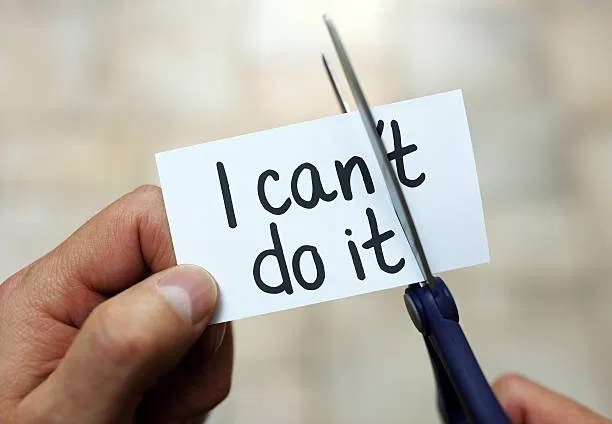
A hand holds a paper with 'I can't do it,' while another hand uses scissors to cut off the 't'

Thank You, Lake Forest

I want to wrap this up by saying thank you.

Thank you to my team. Thank you to Lake Forest for being home. And thank you most of all to my clients, who show up honest, tired, frustrated, hopeful, and brave.

If you are reading this and thinking, "My brain is a mess," I want you to know you are not alone. You are not lazy. You are not broken. And you do not have to keep doing this by yourself.

If you’ve been thinking about getting help with your ADHD, or if you just feel stuck in the chaos, come say hi. You can check out our ADHD coaching services or book a free consultation.

We are right here in Lake Forest, near El Toro. And if you’re reading this while sitting in traffic on the 405, feeling behind in every part of life, I get it. Really.

Winning this award from Noomii is an honor. But the real work, and the real prize, is helping people stop hating their brains and start learning how to live with them in a kinder, smarter way.

Stay awesome,

Rooz Khosh
Founder, Heal and Thrive Therapy and Coaching

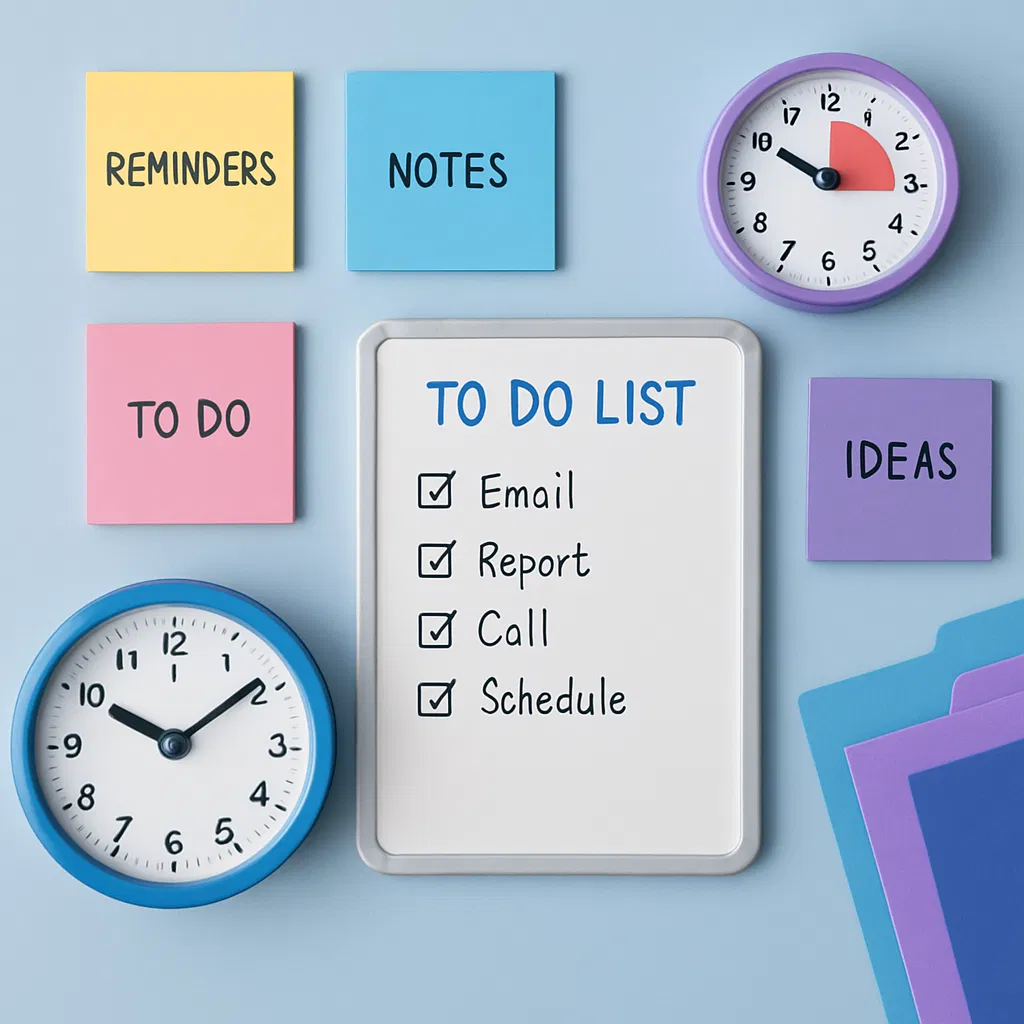
A flat lay of productivity tools including color-coded sticky notes and a to-do list


FOR IMMEDIATE RELEASE

Rooz Khosh of Heal and Thrive Therapy and Coaching Named Noomii’s 2026 ADHD Coach of the Year

LAKE FOREST, CA – May 8, 2026 – Noomii, the world’s largest network of independent life coaches, has officially announced Rooz Khosh as the recipient of the 2026 ADHD Coach of the Year award. The announcement was made via a global YouTube broadcast by Noomii co-CEO Don Marklin.

The award recognizes Khosh’s innovative approach to ADHD and life coaching at his practice, Heal and Thrive Therapy and Coaching. Based in Lake Forest, California, Khosh has become a leading voice in the Orange County mental health community. His "Thrive" philosophy emphasizes that while therapy is essential for healing the past, coaching is the vital engine for building a successful, sustainable future.

"Rooz Khosh represents the very best of our coaching community," said Don Marklin during the announcement. "His dedication to his clients in Lake Forest and his ability to transform the lives of those struggling with ADHD is truly inspiring. He doesn't just provide support; he provides a roadmap to a better life."

Khosh’s practice, Heal and Thrive Therapy and Coaching, offers a unique blend of clinical therapy and results-oriented coaching. This dual approach ensures that clients can address deep-seated emotional hurdles while simultaneously gaining the executive function skills necessary to excel in a high-pressure environment like Orange County.

"I am deeply honored by this recognition," said Rooz Khosh. "This award is a testament to the resilience of our clients. In a world that often views ADHD as a deficit, we choose to see it as a unique way of processing that, with the right tools, can lead to extraordinary success."

For more information about Rooz Khosh or to schedule an interview, please visit https://heal-thrive.com or contact the office at Heal and Thrive Therapy and Coaching Contact.

About Heal and Thrive Therapy and Coaching:
Heal and Thrive Therapy and Coaching is a premier mental health and coaching practice located in Lake Forest, CA. Founded by Rooz Khosh, the practice specializes in ADHD coaching, life coaching, and therapy services designed to help individuals move from crisis to a state of sustainable thriving.

About Noomii:
Noomii is the web's largest directory of professional life coaches, executive coaches, and business coaches.

ADHD Coach in Orange County: Why “One-Size-Fits-All” Coaching Fails Neurodivergent Adults

I see it every single day here in Orange County. A client walks into my office: maybe they just finished a long commute on the 405 or they’re stressed about a meeting in Irvine: and they drop a stack of planners on my desk.

They look at me and say, "Rooz, I’ve tried everything. I’ve tried the apps. I’ve bought the fancy journals. I even hired a business coach who told me to ‘just wake up at 5 AM.’ Why am I still failing?"

Here’s the truth: You aren't failing. The system you were given was never built for your brain.

As an ADHD coach in Orange County, I know that our community is fast-paced. We are expected to be high-achievers, perfect parents, and organized professionals. But for a neurodivergent adult, the "one-size-fits-all" advice isn't just unhelpful. It’s actually harmful. It feeds into a shame spiral that tells you that you are lazy or broken.

At Heal and Thrive Therapy and Coaching, we do things differently. We don't give you a generic checklist. We look at your specific neurobiology. We look at your life in Lake Forest or Newport Beach. And we build a plan that actually sticks.

The Problem with "Standard" Coaching

Most life coaches are great at motivation. They give you a "rah-rah" speech and tell you to set SMART goals. But if you have ADHD, goals aren't the problem. You know what you want to do. You just can’t get your brain to start doing it.

Standard coaching often ignores how the ADHD brain works. It assumes everyone has the same access to "executive functions." These are the skills like planning, starting tasks, and staying organized. For us, those skills are like a muscle that tires out way too fast.

overwhelmed-young-woman-cluttered-desk-adhd-stress.webp

When a coach tells you to "just stay disciplined," they are ignoring your biology. It’s like telling someone who needs glasses to "just squint harder." It doesn’t work, and it makes your eyes hurt.

In my work as an ADHD coach in Orange County, I see people who have spent thousands of dollars on generic coaching. They end up feeling worse than when they started. They feel like they are "uncoachable."

Let me tell you: You are not uncoachable. You just haven’t been coached by someone who understands the ADHD nervous system.

Why Your Brain Needs More Than a Planner

ADHD is not just about being "distracted." It’s a regulation issue. Your brain struggles to regulate attention, emotions, and energy levels. This is why you might hyper-focus on a project for six hours but can’t remember to put your laundry in the dryer.

A "one-size-fits-all" approach fails because it doesn't account for:

  1. Dopamine Deficits: Our brains crave stimulation. If a task is boring, our brain literally shuts down. A generic coach will tell you to "power through." An ADHD-informed coach will help you make the task stimulating.
  2. Executive Dysfunction: This is the wall between thinking and doing. We need specific hacks to climb that wall.
  3. Emotional Dysregulation: Many adults with ADHD deal with Rejection Sensitive Dysphoria (RSD). If a coach is too "tough," it can trigger a total shutdown.

If you’ve been looking for an adhd therapist lake forest, you probably know that therapy is great for processing the past. But coaching is about the now. At Heal and Thrive Therapy and Coaching, we bridge that gap. We offer the emotional safety of therapy with the practical "how-to" of coaching.

The Orange County Hustle: A Unique Challenge

Living in Orange County adds another layer of stress. We live in a world of high expectations. Whether you are navigating the corporate world in Costa Mesa or trying to keep up with the "perfect" lifestyles in South County, the pressure is real.

I’ve met many professionals who are brilliant at their jobs but terrified someone will see their "messy" life. They have 40 tabs open on their browser and a car full of empty water bottles. They are exhausted from "masking": acting like they have it all together when they are actually drowning.

This is why local, specialized support matters. When you work with an ADHD coach in Orange County who actually lives here, they get it. They know the pace of life. They know the stressors.

adhd-strategy-planning-workshop.webp

Clinical Oversight: Our Secret Weapon

At Heal and Thrive Therapy and Coaching, we have a major advantage over "certified life coaches" you find on Instagram. We are a clinical practice.

When you work with me, Rooz Khosh, you aren't just getting "vibes." You are getting a coach who works alongside licensed therapists like Dr. Mahsa.

This is huge. Why? Because ADHD rarely travels alone. Many of my clients also deal with anxiety, depression, or past trauma. If a coach doesn't understand the clinical side, they might push you into a panic attack or ignore a deeper issue that needs therapy services.

By combining coaching with clinical insight, we ensure your plan is safe and sustainable. We don't just want you to be productive for a week. We want you to thrive for a lifetime.

Tools That Actually Work for ADHD Brains

So, if planners don't work, what does? We focus on "Externalizing" your executive functions. Since your brain struggles to hold onto information, we put that information into the world around you.

We use strategies like:

  • Body Doubling: Working alongside someone else to stay on task.
  • Visual Timers: Seeing time disappear helps with "time blindness."
  • Dopamine Menus: Creating a list of quick wins to get your brain moving.
  • Routine Design: Creating a daily routine that works for ADHD brains instead of fighting against your natural clock.

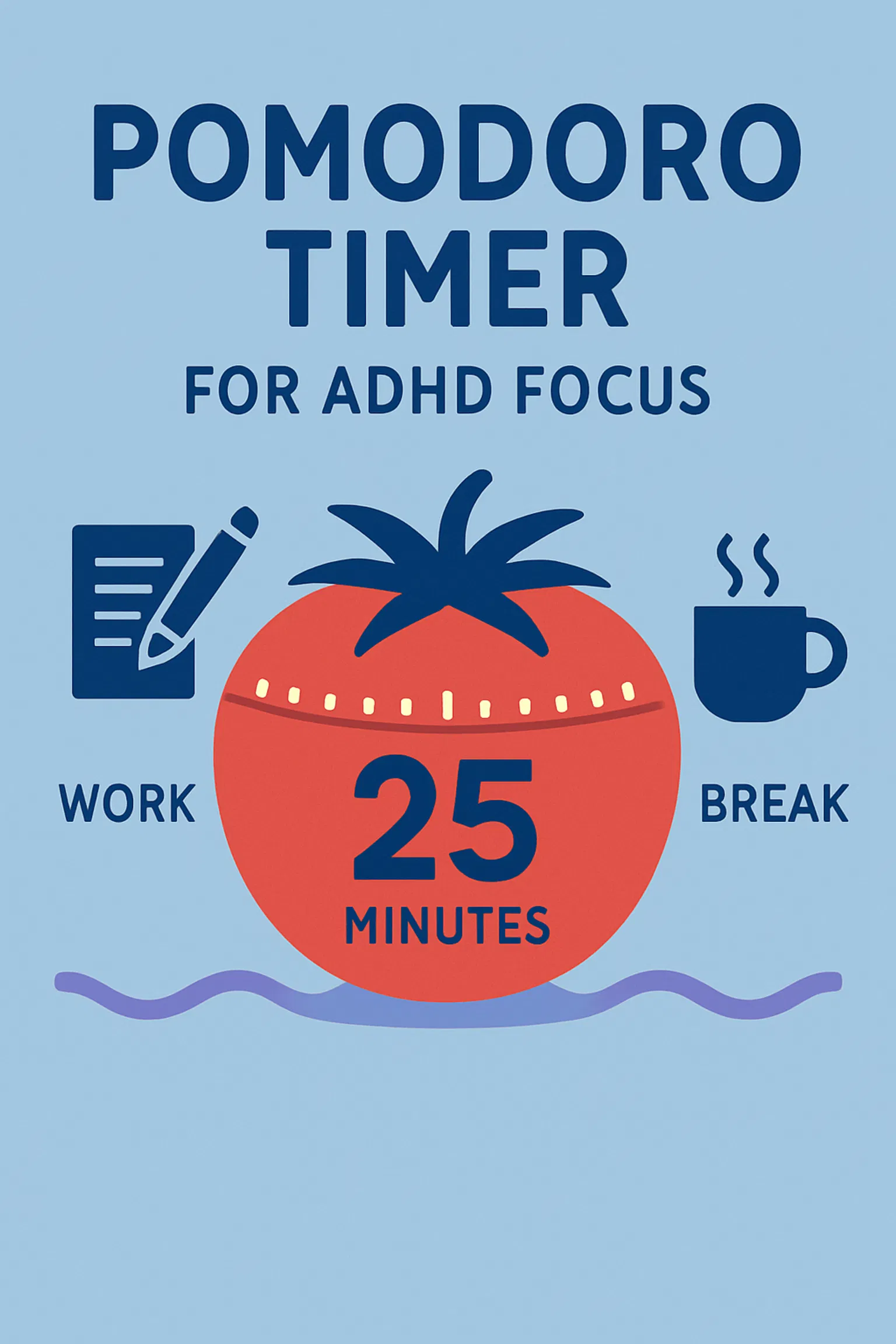
pomodoro-timer-visual-adhd-focus-paper-pencil-coffee-cup.webp

These aren't "hacks" you find in a $10 ebook. These are tailored systems we build together in our ADHD coaching services. We test them. If they don't work, we don't blame you. We pivot. We find a different way. That is the core of "neuro-affirming" care.

Finding an ADHD Therapist in Lake Forest

If you are in South County, you might be searching for an adhd therapist lake forest. It is so important to find someone who doesn't just see ADHD as a "focus problem." You need someone who understands the emotional weight of living with a neurodivergent brain.

The years of being told to "pay attention" or "just sit still" leave scars. My goal at Heal and Thrive Therapy and Coaching is to help you heal those scars while giving you the tools to win today.

We provide a safe space where you don't have to apologize for being "too much" or for forgetting an appointment. We get it. We are on your team.

Stop Trying to Be "Normal"

The biggest mistake I see people make is trying to coach themselves into being a neurotypical person. They want to be the person who loves spreadsheets and never loses their keys.

But here’s a secret: You don’t have to be that person to be successful.

Some of the most brilliant, creative, and successful people in Orange County have ADHD. They succeeded because they stopped fighting their brains and started working with them. They stopped using one-size-fits-all systems and built their own.

victory-at-sunrise-young-adult-triumph.webp

Take the First Step

If you are tired of the generic advice, let’s talk. You don’t have to do this alone. Whether you need a deep dive into your habits or a safe place to process the frustration of living with ADHD, we are here for you.

You can check out our testimonials to see how we’ve helped others in Orange County find their flow. ADHD can be a superpower, but only if you have the right manual for your specific brain.

Don't wait for another "failed" planner to reach out. Let’s build something that actually works.

Ready to thrive?

Schedule your free consultation here. Let’s get to work on a plan as unique as you are.

You can also visit us at our office or learn more about our full range of services. Your journey to a more organized, peaceful life in Orange County starts with one small step. Let’s make it together.

How to Choose the Best ADHD Coach (And Why Clinical Oversight is a Game-Changer)

You’re tired. I know you are. You have spent years trying to "fix" your brain. You’ve bought every planner on Amazon. You’ve downloaded fifty different productivity apps. You’ve watched a thousand TikToks about "ADHD hacks."

But somehow, you still feel stuck. You still feel like you are running a race in deep mud while everyone else is on a paved track.

This is the point where most people start looking for ADHD coaching for adults. You want someone to help you clear the mud. You want a partner who can help you build a life that actually works for your brain, not against it.

But here is the scary part: The world of coaching is like the Wild West. Right now, anyone can buy a ring light, make a website, and call themselves an ADHD coach. There is no law saying they need a degree or even a real certificate.

That is why choosing the right coach is one of the most important decisions you will make. At Heal and Thrive Therapy and Coaching, we do things differently. We believe that for coaching to really work, it needs a solid foundation of clinical expertise.

In this post, I am going to show you how to pick a coach who will actually change your life. And I’m going to tell you why "clinical oversight" is the secret sauce you didn’t know you needed.

The Problem with the "Guru" Model

If you search for an ADHD coach online, you will find a lot of people promising big things. They might say they can "cure" your ADHD or help you "double your income in 30 days."

Be careful.

ADHD isn't just about being messy or forgetting your keys. It is a complex thing that affects your emotions, your relationships, and how your nervous system handles stress. If a coach doesn't understand the science of the brain, they might give you advice that actually makes you feel worse.

For example, a "hustle culture" coach might tell you to "just wake up earlier" or "push through the pain." For an ADHD brain, that is a recipe for burnout and deep shame.

You need more than a cheerleader. You need someone who understands the why behind your struggles.

A confident coach sitting at a welcoming desk, symbolizing growth and renewal.

Step 1: Look for Real Training

Since the coaching world isn't regulated like medicine is, you have to do your homework. When you look at a coach's website, look for words like "CACP" or "PCAC." These mean the person has actually gone to school to learn how to coach ADHD brains.

At Heal and Thrive Therapy and Coaching, our owner, Rooz Khosh, doesn't just "wing it." He has dedicated his life to understanding how to bridge the gap between where you are and where you want to be.

But training isn't just about a piece of paper. It’s about the type of training. Does the coach understand executive functions? Do they know how to handle the "shame spiral" that happens when things go wrong? If they don't, keep looking.

Step 2: The Power of Lived Experience

There is something you can’t learn in a book: what it feels like to have an ADHD brain.

When you talk to a coach, ask them if they truly understand the feeling of "paralysis": that moment when you have five things to do but you end up staring at a wall for two hours.

When you work with a coach who has lived experience, you don't have to explain yourself as much. You don't have to feel embarrassed about your "doom piles" or your messy kitchen. Rooz Khosh understands these challenges because he works with them every single day. Having a coach who says, "I get it, I've been there too," is incredibly healing.

Step 3: Why Clinical Oversight is the Game-Changer

This is the big one. This is what sets Heal and Thrive Therapy and Coaching apart from almost everyone else.

Most coaches work alone. They are on an island. If a client starts struggling with deep depression or old trauma, the coach might not have the tools to help. They might even miss the signs that something deeper is going on.

At our practice, we have a unique model. We combine ADHD coaching services with high-level clinical therapy.

Our Clinical Director is Dr. Mahsa Hojat-Khoshniyat. She is a pro. When Rooz is coaching a client, he isn't just flying solo. He has the backing of Dr. Mahsa’s clinical expertise.

What does this mean for you?

  1. Safety: If your ADHD is mixed with anxiety, trauma, or depression, we see the whole picture. We don't just treat the "symptoms" of being late; we help you heal the roots.
  2. A Better Plan: We can look at your life through two lenses: the "how-to" of coaching and the "why" of therapy.
  3. No Gaps: You don't have to find a therapist in one place and a coach in another and hope they talk to each other. We are a team. We are already on the same page.

Think of it like building a house. The coach is the contractor helping you put up the walls and pick the paint. The clinical oversight is the architect making sure the foundation won't crack during an earthquake. You need both to be safe.

Two people engaged in collaborative planning, showing the partnership between coach and client.

Step 4: Check the "Vibe" (The Rapport Test)

You could find the smartest coach in the world, but if you don't feel safe with them, it won't work.

ADHD coaching for adults is very personal. You are going to be talking about your failures, your frustrations, and your big dreams. You need to feel like your coach is in your corner.

When you have your first call, ask yourself:

  • Do I feel judged? (The answer should be a big NO).
  • Do they listen more than they talk?
  • Do I feel more hopeful after talking to them?

We always suggest starting with a free consultation. It’s like a "test drive" for your brain. You get to see if our style matches your needs.

Step 5: Ask About Their Tools

A good coach shouldn't just give you "tips." They should give you a system.

When you look for ADHD coaching for adults, ask what kind of tools they use. Do they help with time management? Do they help with "emotional regulation" (which is a fancy way of saying "handling big feelings")?

At Heal and Thrive Therapy and Coaching, we use a mix of practical strategies and nervous system support. We know that if your body is in "fight or flight" mode, a color-coded calendar isn't going to help you. We help you calm your system first, then we build the habits.

Productivity tools like sticky notes and to-do lists used in ADHD coaching.

Questions to Ask a Potential Coach

Before you sign up with anyone, ask these five questions:

  1. "What is your specific training in ADHD?" (If they say "I just read a lot," be careful.)
  2. "How do you handle it if I have a really bad week and get nothing done?" (You want a supportive answer, not a lecture.)
  3. "Do you have a clinical professional you consult with?" (This is where you'll see why we are different!)
  4. "What is your philosophy on ADHD?" (Do they see it as a "broken brain" or a different way of processing the world?)
  5. "How do we track my progress?"

Why We Care So Much

We didn't start Heal and Thrive Therapy and Coaching just to run a business. We started it because we saw too many people with ADHD falling through the cracks. We saw people who were successful on the outside but felt like a "hot mess" on the inside.

We know that with the right support, an ADHD brain is a superpower. You are creative. You are fast. You are resilient. You just need a system that fits you.

By combining the coaching heart of Rooz Khosh with the clinical mind of Dr. Mahsa Hojat-Khoshniyat, we provide a "safety net" that allows you to take risks and grow faster than you ever thought possible.

Ready to Stop the Struggle?

Choosing a coach is a big deal. It’s an investment in yourself. Don't settle for a "guru" with a checklist. Look for a team that understands the science, the soul, and the daily reality of ADHD.

If you are ready to see what ADHD coaching services look like when they are backed by clinical excellence, we are here for you.

You don't have to do this alone anymore. Let’s build a life where you don't just survive: you actually thrive.

Click here to schedule your free consultation with Heal and Thrive Therapy and Coaching today.

Why Couples Therapy Works Best Before Things Get Bad (Not After)

Let me tell you about a couple I’ll never forget. (Names changed, details blurred.)

They sat on my couch with polite smiles. They weren’t yelling. They weren’t crying. They looked “fine.” But their bodies told the truth.

He sat stiff, like he was bracing for impact.

She kept rubbing her thumb across her ring, over and over.

And when one of them spoke, the other one did that tiny flinch thing. Like, “Here we go.” They started with the sentence I hear all the time: “We’re not that bad. We just thought we should come in.” And in my head I went: YES. This is it. This is the move.

Because here’s the part nobody tells us: couples therapy works best before things get bad. Not after the blow-up. Not after the affair. Not after someone’s already half-packed their suitcase in their heart.

This is what I want you to hear, loud and clear:

Couples therapy is not a last-ditch rescue boat.

It’s more like brushing your teeth. It’s relationship maintenance.

And at Heal and Thrive Therapy and Coaching, we love working with couples early—when there’s still softness, still hope, still energy to learn.

If you’re Googling things like:

  • couples therapy when to start
  • preventive couples therapy
  • couples counseling early
  • relationship maintenance

…you’re already thinking like someone who wants to protect what you have. That matters.

The Big Reframe: Therapy Is Not Just for “Broken” Couples

A lot of us were raised with a weird idea:

“If you need help, you failed.”

So we wait. We grit our teeth. We “power through.” We keep telling ourselves:

“It’s just a rough patch.”

“It’ll get better after the busy season.” “Other couples have it worse.”

But relationships don’t work like that.

Most couples don’t break in one huge moment. They break from a thousand small misses:

  • the talk that never happens
  • the apology that doesn’t land
  • the same fight every Friday night
  • the feeling of being alone while sitting right next to each other

Preventive couples therapy is how you catch those small misses early—before they become a giant wound.

“But We’re Not in Crisis.” Good. That’s the Point.

When couples come in early, we get to do the work with less pressure.

Here’s what’s different when you start couples counseling early:

  • You can hear each other better.
  • You have more patience.
  • You haven’t said every mean thing yet.
  • You still remember why you like each other.
  • You’re not just trying to survive the week.

In crisis mode, the goal is often: “Stop the bleeding.”

In preventive couples therapy, the goal is: “Let’s build a better system, so we don’t keep bleeding.”

The Stigma Is Real (And It’s Not Your Fault)

Depending on your culture, your family, your faith, or how you grew up… therapy might have been a “nope.”

Maybe you were taught:

  • “Don’t talk about family stuff outside the house.”
  • “You handle your problems privately.”
  • “Therapy is for weak people.”
  • “If you need counseling, you picked the wrong person.” I want to say this gently:

That stigma is old survival logic. It’s not always love logic.

Sometimes our parents didn’t have therapy. Sometimes they didn’t have words for feelings. Sometimes they only had “push through” and “pray harder” and “keep the peace.”

If you’re choosing something different, you’re not disrespecting your culture. You’re upgrading your skills.

Signs It’s Time to Start Couples Therapy (Even If You Still Love Each Other)

If you’re asking “couples therapy when to start,” here are some simple signs.

You don’t need all of them. Even one can be enough. 1) You keep having the same fight

Same topic. Same ending. Different day.

It might be about:

  • money
  • chores
  • sex
  • parenting
  • in-laws
  • phone use
  • time and attention

Under the fight is usually something softer: “I don’t feel important.”

“I don’t feel safe.” “I feel alone.”

2) You feel more like roommates than partners

You’re running a household, not a relationship.

You talk about:

  • schedules
  • bills
  • kids
  • logistics But not:
  • feelings
  • dreams
  • stress
  • connection

3) One of you is always the “bad guy”

One person is the “responsible one.”

The other is the “messy one.”

One is “too sensitive.”

The other “doesn’t care.”

Those roles feel solid… until they crush you.

4) You avoid hard talks because you’re scared it’ll blow up

So you stay quiet.

Then you build quiet resentment.

Then you explode over something dumb like dishes.

5) You’re going through a big life change

This is a huge reason preventive couples therapy helps.

Common transitions:

  • having a baby
  • blending families
  • moving
  • job changes
  • illness
  • grief
  • caregiving for parents Big change = big stress.

Stress doesn’t mean your relationship is failing. It means you need support.

A Quick ADHD Coach Note: “We’re Fine” Can Be an Avoidance Trick

I’m going to say this with love, because I do this too.

If you (or your partner) have ADHD, you might wait to get help because:

  • it feels like “a big thing”
  • it’s not urgent (yet)
  • it’s emotional (so your brain says “no thanks”)
  • you don’t know where to start
  • you’re scared you’ll be blamed

Also… ADHD can make patterns worse:

  • forgetting important stuff (then your partner feels alone)
  • blurting (then your partner feels attacked)
  • time blindness (then your partner feels unimportant)
  • rejection sensitivity (then every complaint feels like “you hate me”) None of this means you’re a bad partner.

It means your relationship needs tools, not shame.

Couples counseling early is one of the best toolboxes I know.

What Happens in Preventive Couples Therapy? (Plain Version)

People worry couples therapy is:

  • a place where you get judged
  • a place where one person “wins”
  • a place where you dig up every old mistake forever That’s not the goal.

In good couples therapy, we usually work on things like:

Communication that doesn’t turn into a fight

You learn how to say hard things without lighting the match.

Repair after conflict

Every couple fights. Healthy couples repair.

Repair sounds like:

  • “I got defensive. I’m sorry.”
  • “That came out harsh. Let me try again.”
  • “Can we reset?”

The hidden needs under the complaint

“I wish you’d help more” might mean: “I’m drowning and I don’t know how to ask.”

“I wish you’d stop being on your phone” might mean: “I miss you.”

Teamwork systems (so love isn’t doing all the work)

This is relationship maintenance.

We build simple agreements like:

  • how you handle money decisions
  • how you split chores (for real)
  • how you do weekly check-ins
  • what you do when one of you is overloaded

Why Waiting Makes It Harder (Not Impossible, Just Harder)

When couples wait until things are “bad,” they often show up with:

  • years of hurt
  • lots of assumptions
  • less trust
  • more fear
  • less energy

It’s like waiting to see the dentist until your tooth is screaming.

Can we help? Yes.

But it usually takes more time because we’re not just learning skills. We’re also healing old cuts.

That’s why I’m such a fan of starting early.

If Therapy Feels Scary, Try This Tiny First Step

If the word “therapy” makes you tense up, try this reframe:

“Let’s do one appointment. Not because we’re failing. Because we’re investing.” One session can help you:

  • name the pattern you’re stuck in
  • learn one new way to talk
  • feel a little more hopeful
  • stop the slow drift

And if you’re worried about stigma, you can keep it simple when people ask: “We’re doing relationship maintenance.”

Because that’s what it is.

Want Help? We’re Here.

At Heal and Thrive Therapy and Coaching, we support couples who want to be proactive—especially couples who feel like they’re “fine” but tired, disconnected, or stuck in the same loop.

If you’ve been wondering when to start couples therapy, here’s my honest answer:

Start when you still like each other.

Start when you still have room to laugh. Start before you’re in crisis.

If you’re ready for preventive couples therapy or couples counseling early, reach out to Heal and Thrive Therapy and Coaching and let’s build a plan that feels doable—together.

This is for the main website

What Therapy Actually Looks Like in the First Few Sessions (and Why It Feels Uncomfortable)

I want to tell you a tiny story.

A while back, someone booked a first session and then almost didn’t show.

Not because they didn’t want help.

Because their brain kept whispering:

“What if it’s awkward?”

“What if I cry?”

“What if they judge me?”

“What if I don’t know what to say?”

That is starting therapy anxiety. And it is so normal.

If you’re new to therapy, the hardest part is not the talking. It’s the unknown.

Most people aren’t scared of therapy. They’re scared of walking into a room and not knowing what happens next.

So I’m going to break it down for you—plain and simple. This is what to expect in therapy first session, and the few sessions after that. And yes, I’m also going to tell you why it can feel uncomfortable at first… even when the therapist is kind.

At Heal and Thrive Therapy and Coaching, we use a phased approach that Dr. Mahsa teaches and lives by:

  1. Safety first (your body has to feel safe before your brain can go deep)
  2. Skills and support (so life gets a little easier while you heal)
  3. Deeper work (only when you’re ready)
  4. Keeping the change (so you don’t slide back) That’s the map. Now let’s walk it together.

The Real Reason the First Session Feels Weird

Let’s be honest.

A therapy first appointment can feel like a first day at a new school.

You don’t know where to sit.

You don’t know what the “rules” are.

You don’t know if you’re doing it “right.”

And if you have ADHD (or anxiety… or trauma… or just a sensitive nervous system), your brain may go into full scan mode:

  • “Do they like me?”
  • “Am I talking too much?”
  • “Am I saying the wrong thing?”
  • “Are they going to tell me I’m the problem?” That doesn’t mean therapy is wrong for you.

It means your body is doing what it learned to do: protect you.

A quick pep talk from an ADHD coach

If your brain is spinning before your first session, try this sentence:

“I’m not in trouble. I’m just doing something new.”

New things feel unsafe to ADHD brains. Not because we’re weak. Because our brains like patterns. Therapy is a brand-new pattern.

Session 1: “Hi. Who Are You? And What Do You Need?”

Here’s what usually happens in the what to expect in therapy first session stage:

Your therapist will likely ask about:

  • what brought you in
  • what you’re hoping will change
  • what your life looks like (home, work, relationships)
  • your stress, sleep, mood, focus
  • your history (only what you want to share)
  • safety stuff (like self-harm, panic, or feeling stuck) This is not an interrogation.

It’s more like: we’re building a map together.

And if you blank out? That’s okay. If you cry? Also okay. If you talk fast and jump around? Welcome to the club.

You can even say:

  • “I’m nervous.”
  • “I don’t know where to start.”
  • “My mind goes blank when I’m asked questions.” A good therapist will slow down with you.

Why It Can Feel Uncomfortable (Even If It’s Going Well)

This part matters because it’s the number one booking barrier I hear:

“Therapy sounds good, but I don’t want to feel worse.” Here’s the truth:

Sometimes you feel worse before you feel better.

Not because therapy is hurting you.

Because you’re finally paying attention to stuff you’ve had to ignore to survive.

Think of it like when your leg falls asleep. When feeling comes back, it tingles. It’s uncomfortable. But it’s a sign your body is waking up.

Therapy can be like that.

Common “this is uncomfortable” moments in early therapy

  • You notice how tired you are.
  • You realize you’ve been in survival mode for years.
  • You hear yourself say something out loud for the first time.
  • You feel grief: “I shouldn’t have had to handle that alone.”
  • You feel anger: “That wasn’t okay.”
  • You feel shame show up and try to take over the room.

None of that means you’re broken.

It means you’re human.

Sessions 2–3: Safety First (Phase 1)

Dr. Mahsa’s phased approach starts with safety.

Because if your nervous system is on fire, it’s really hard to “think your way” into healing.

So early sessions often focus on things like:

  • getting to know your triggers (what sets your body off)
  • learning what helps you come back down (real tools)
  • building trust with your therapist
  • making sure therapy feels steady, not rushed This is where some people get impatient.

They think, “Why aren’t we digging into my childhood yet?” But if we skip safety, deep work can feel like ripping a scab off.

Safety first means:

  • you can talk about hard things and still leave the session okay
  • you don’t feel alone with your feelings
  • you have a plan for what to do when big emotions show up

Sessions 3–6: Skills and Support (Phase 2)

This phase is where life starts getting easier in small, real ways.

Because healing is great… but you still have to do laundry and answer emails and parent and show up at work.

In this phase, therapy might include:

  • simple routines that actually fit your brain
  • coping skills for anxiety and panic
  • boundary practice (without guilt)
  • help with sleep, overwhelm, or burnout
  • support with ADHD stuff like time blindness and task start

If you came in feeling like, “I can’t even book the appointment because I’m overwhelmed,” this phase helps with that exact problem.

And yes—this is still therapy.

Skills aren’t “surface.” Skills help you stop drowning.

Deeper Work (Phase 3): Only When You’re Ready

Some people worry therapy will force them to relive everything.

Good therapy doesn’t do that.

In Phase 3, you might start processing deeper pain—like trauma, old relationship wounds, or childhood stuff. But you do it at a pace your nervous system can handle.

It’s more like turning on a dimmer switch than flipping a light on.

You might notice:

  • you talk about the same story but it feels less sharp
  • you get triggered and recover faster
  • you stop blaming yourself for everything
  • you start seeing your patterns with more kindness

This is the part where people often say, “I’m changing… but it’s weird.” Yes. Change is weird.

Even good change.

Keeping the Change (Phase 4): “How Do I Not Slip Back?”

At some point, therapy shifts again.

It becomes less about crisis and more about:

  • keeping the wins
  • planning for hard seasons
  • building support outside of sessions
  • practicing new choices in real life This is where your new story gets stronger.

Not perfect. Just stronger.

“What If I Don’t Know What to Talk About?”

This is the most common question from people who are new to therapy.

Here are a few easy “starter sentences” you can steal:

  • “I’m not sure where to start, but I know I can’t keep doing life like this.”
  • “I feel anxious about being here.”
  • “I want help, but I don’t know what help looks like.”
  • “I think I’m high-functioning, but I’m actually falling apart.”
  • “I’ve been through a lot and I don’t talk about it.” You don’t need a perfect speech.

You just need a first step.

The Booking Barrier: Fear of the Unknown (Let’s Name It)

If you’re stuck at the “should I book?” stage, it’s usually one of these:

  1. “I don’t want to be judged.”
  2. “I don’t want to cry.”
  3. “I don’t want to open a can of worms.”
  4. “I don’t know what will happen in the room.”
  5. “What if I pick the wrong therapist?”

All of that is real.

And the fix is not “try harder.” The fix is clarity + support.

That’s why I wrote this: so your brain doesn’t have to fill in the blanks with worst-case stories.

You Don’t Have to Be Brave the Whole Time

If you’re feeling starting therapy anxiety, I want you to hear this:

You don’t have to feel ready. You just have to feel willing.

At Heal and Thrive Therapy and Coaching, we’ll help you take this in phases. We won’t rush you. We won’t push you past your window of tolerance. We’ll build safety, then skills, then deeper healing—together.

If you’re ready to take one small step, you can start here: Fill out our free consultation form

And if your brain says, “But what if it’s uncomfortable?”

You can tell it:

“Yeah. It might be. And I won’t be alone in it.”

What an ADHD Coach Actually Does (and How It’s Different from a Therapist, Accountability Partner, or App)

You know that feeling. You have a giant list of things to do. You know how to do them. You have the tools. You have the apps. But you are just… sitting there. You are staring at your phone. Or you are cleaning the baseboards with a toothbrush instead of doing your taxes.

People tell you, “Just get a planner!” Or they say, “Try harder.”

But here is the secret: Most people with ADHD don’t have a “knowing” problem. We have a “doing” problem. We know what to do. We just can’t get our brains to start the engine.

That is where an ADHD coach comes in. At Heal and Thrive Therapy and Coaching, we see this every day. But what does an ADHD coach do, really? Is it just a fancy way of saying “someone who nags you”?

Let’s break it down. I’m going to tell you exactly how a coach helps, and why it’s not the same as therapy, your best friend, or that $10 app you downloaded and never opened. The Big Question: What Does an ADHD Coach Do?

Think of an ADHD coach like a personal trainer for your brain.

If you go to the gym and don’t know how to use the machines, a trainer shows you the moves. They watch your form. They help you pick weights that are heavy enough to work but not so heavy you get hurt.

ADHD coaching explained is pretty simple: It’s the “how-to” part of life.

We don’t just talk about your feelings (though feelings are important!). We look at your Tuesday. We look at your messy desk. We look at the 4,000 unread emails in your inbox.

A coach helps you build systems that actually work for your specific brain. We don’t use “neurotypical” advice. We don’t tell you to “just focus.” We find the “hacks” that make focus happen naturally.

ADHD Coach vs. Therapist: Which One Do You Need?

This is the most common question we get at Heal and Thrive Therapy and Coaching. People get confused. They think, “I already have a therapist. Why would I need a coach?” Here is the easiest way to see the difference:

  • Therapy is the “Why”: Therapy looks at your past. It looks at your trauma. It looks at the deep shame you might feel because of your ADHD. It’s about healing your heart and your mind. If you are struggling with emotional numbness, therapy is the place to be.
  • Coaching is the “How”: Coaching looks at your future. It looks at your goals. It asks, “How are we going to get that project done by Friday?” It’s about building skills.

In therapy, you might talk about why you feel like a failure when you miss a deadline. In coaching, we build a system so you stop missing the deadline.

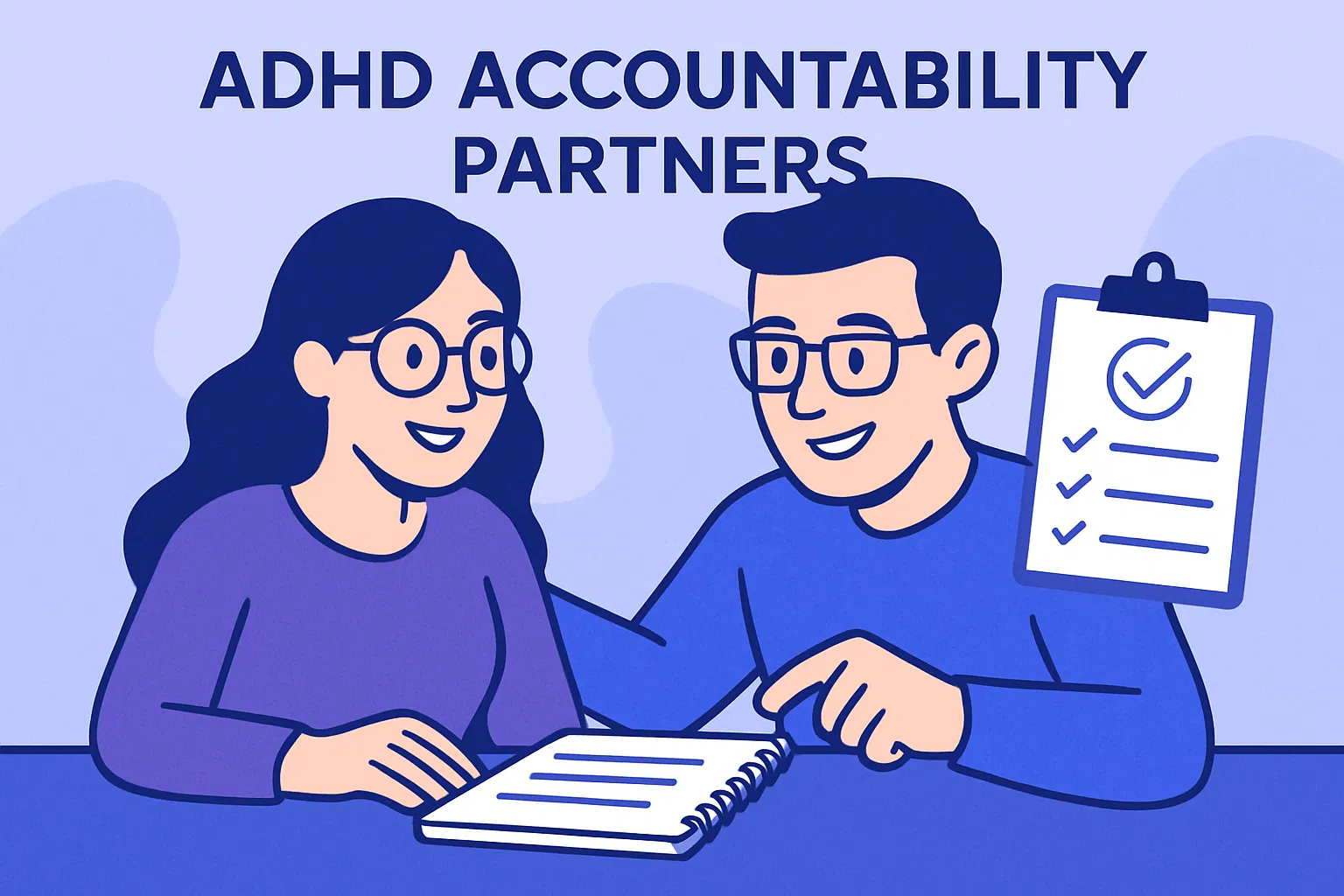
Many of our clients at Heal and Thrive Therapy and Coaching do both! They see a therapist to heal the “ADHD shame,” and they see a coach to handle the impulsivity control and the daily mess. They work together like a dream team.

Why Your “Accountability Buddy” Isn’t a Coach

You might have a friend you call “my accountability partner.” You text each other and say, “Did you do the thing?” You say, “No.” They say, “Me neither. Let’s go get tacos.” That is a great friend. But it is not a coach.

An ADHD coach is a pro. We know the science of the brain. When you tell me, “I couldn’t start the laundry,” I don’t just say “Try again tomorrow.” I ask:

  • Where did you get stuck?
  • Was the basket too full?
  • Did the noise of the machine bother you?
  • Did you forget the clothes were even in there?

We find the “friction.” Then we fix it. A coach gives you strategies that are backed by science, not just “good vibes.”

Apps Are Great, But They Don’t Have a Heart

There are a million ADHD apps. They have timers. They have cute trees that grow when you work. They have loud alarms.

But apps have a big problem: You can swipe them away.

When an app sends a notification that says “Time to work!”, it’s easy to ignore. You don’t feel bad about it. The app doesn’t care.

A human coach cares. A coach knows when you are burning out. A coach can see the look on your face when you are overwhelmed. An app just keeps ticking.

A Peek Inside a Coaching Session

If you were to hire ADHD coach at our office, what would it actually look like? It’s not a lecture. It’s a conversation.

  1. The Check-In: We look at last week. What worked? What was a total disaster? (We love disasters:

they tell us what we need to change!)

  1. The Goal: We pick one or two things to focus on. Maybe it’s time blindness at work.
  2. The Brainstorm: We find a system. We don’t use a standard planner if you hate planners. Maybe we use sticky notes on the mirror. Maybe we use voice memos. We find your way.
  3. The Practice: We might even start the task together. This is called “body doubling.” It makes the scary stuff feel easy.

It’s about moving from feeling stuck to feeling like you have a plan.

Why Coaching Is a “Deep Dive” Into Your Life

At Heal and Thrive Therapy and Coaching, we don’t just give you a “to-do” list. We look at the big picture.

We look at how your sleep habits are affecting your focus. We look at how decision paralysis is making your mornings a nightmare.

We teach you emotional awareness. Because let’s be real: If you are upset or stressed, no “time management tip” in the world is going to help you. You have to handle the feelings to get to the work.

Is Coaching Worth It?

If you are tired of “white-knuckling” it through life, coaching is a game changer.

Imagine waking up and actually knowing what you are going to do first. Imagine not feeling that heavy pit in your stomach because of a “doom pile” in the corner of your room. Imagine having someone in your corner who gets it. Someone who doesn’t judge you when you forget your keys for the third time this week.

That is the power of a coach.

At Heal and Thrive Therapy and Coaching, we believe you don’t need to be “fixed.” You aren’t broken. You just have a brain that works differently. And when you learn the manual for that brain, everything changes.

Stop Guessing. Start Doing.

You don’t have to figure this out alone. You’ve probably tried the “DIY” way for years. You’ve read the books. You’ve watched the TikToks.

If you are ready for a real change, it might be time to hire ADHD coach.

Let’s stop the cycle of “I’ll do it tomorrow.” Let’s make “today” the day things actually happen. Whether you need the deep emotional work of psychotherapy or the practical boots-on-the-ground help of coaching, we are here for you.

You can check out more about our ADHD coaching for adults and see how we can help you finally thrive.

Your brain is amazing. It just needs a little help with the “boring” stuff. Let’s get to work.

Parenting Through Your Own Unresolved Stuff: How to Break Cycles Without Being Perfect

I’m going to start with a moment I’m not proud of.

My kid spilled something. Not a big spill. Just a normal-kid spill.

And my body reacted like it was an emergency.

My voice got sharp. My face got hot. My brain went straight to: Why can’t we just do ONE thing without a mess?

Then I saw my kid’s eyes.

That look. The one that says, “Uh oh. I’m in trouble.”

And my stomach dropped because… I’ve seen that look before.

I’ve seen it on me.

If you grew up in a home where love felt a little tight, a little earned, or a little scary, you know that look.

Maybe you heard things like:

  • “Stop crying.”
  • “Don’t talk back.”
  • “What will people think?”
  • “You’re embarrassing me.”
  • “Why can’t you be like your cousin?”

If you’re Persian (or you grew up around Persian families), you might also know the vibe of:

  • respect is everything
  • image matters
  • family loyalty is sacred
  • “what will the aunties say?” (aka chi migan mardom?)

And listen—I’m not here to bash our parents or our culture. I love our culture. I love our families.

I’m here to say something simple and kind:

Sometimes we parent with old pain still inside us.

And when that old pain gets poked, we react fast. We don’t mean to. But it happens.

At Heal and Thrive Therapy and Coaching, we call this healing while parenting. It’s real. It’s messy. And it’s possible.

This article is for you if you’re trying to:

  • do generational trauma parenting (even if you hate that phrase)
  • focus on breaking parenting cycles
  • work on not repeating parents’ mistakes • be a good parent without becoming a perfect robot No shame. No blame. Just tools and truth.

What Does “Unresolved Stuff” Even Mean?

“Unresolved stuff” can sound like you need to sit on a couch and talk about your childhood for 10 years.

Sometimes, yes, therapy helps a lot.

But “unresolved stuff” can also be simple:

It’s the old feelings your body still holds.

Things like:

  • feeling not good enough
  • feeling like you had to be the “good kid”
  • feeling like mistakes were not allowed
  • feeling like you had to stay quiet to stay safe
  • feeling like love came with conditions

So now, as a parent, your kid does something normal—like whining, spilling, forgetting, talking back—and your nervous system goes:

“This is dangerous.”

Not because your kid is dangerous.

Because your past got triggered.

The Cycle (How It Usually Goes)

Here’s a common cycle I see (and yep, I’ve lived it too):

1. Your kid does a kid thing. (Spill, whine, argue, move slow.)

2. Your body reacts first. (Heat, tight chest, angry tone.)

  1. Your brain tells a story.
    • “They don’t respect me.”
    • “They’re going to be spoiled.”
    • “If I don’t stop this now, I’m failing.”
  2. You go big. (Yell, lecture, threaten, slam a door, shut down.)
  3. You feel awful after. (“Why did I do that? I sound like my mom/dad.”)
  4. You promise you’ll never do it again.
  5. Then stress hits… and the cycle repeats.

That is what people mean by breaking parenting cycles.

And the key is this:

You don’t break the cycle by being perfect.

You break it by noticing sooner… and repairing faster.

A Persian-Community Thing: Love + Pressure at the Same Time

In a lot of Persian homes, love is huge.

Food love. Care love. Family love.

But there can also be pressure:

  • to behave
  • to succeed
  • to “represent the family”
  • to keep things private
  • to not “make trouble”

Sometimes feelings were treated like a problem.

If you got sad, someone might say:

  • “Boro, boro. It’s fine.” (go, go, you’re fine)
  • “Crying won’t fix anything.”
  • “Don’t be weak.”

So now, when your kid cries, it can hit a deep nerve.

Not because you don’t care.

Because nobody taught your nervous system how to be with big feelings in a safe way.

That is generational trauma parenting in real life.

Not as a buzzword. As a lived experience.

Signs You’re Parenting From a Trigger (Not From the Present)

Here are some signs you’re triggered:

  • Your reaction feels bigger than the problem.
  • You feel a rush like you “must win” the moment.
  • You feel disrespected fast.
  • You start mind-reading your kid (“They’re doing this on purpose.”) • You go to extremes (“You never listen!” “You always do this!”)
  • You feel shame after and want to hide.

If any of this is you, I want you to hear this:

You’re not a bad parent.

You’re a stressed nervous system.

The Big Goal: Healing While Parenting (Without Waiting for Life to Be Calm)

A lot of parents say: “I’ll work on myself when things calm down.”

But parenting doesn’t calm down. Parenting is like Los Angeles traffic. There is no “perfect time.” So we do it in real life.

We do it while making lunches. We do it while breaking up sibling fights. We do it while trying to get out the door.

That’s healing while parenting.

Tools for Breaking Parenting Cycles (Simple, Real, Not Perfect)

1) The “Oh Crap, I’m Triggered” Pause (3 Seconds Counts)

When you feel that heat rising, try this:

  • Put one hand on your chest or stomach.
  • Take one slow breath out.
  • Say in your head: “I’m triggered. This is old.”

You don’t need a 10-minute meditation. You need a tiny pause.

That pause is where you choose a different path.

2) Name the Feeling (So It Doesn’t Drive the Car)

A lot of us didn’t grow up naming feelings.

Try simple words:

  • mad
  • scared
  • overwhelmed
  • embarrassed
  • sad

Example: “I’m overwhelmed right now.”

That doesn’t excuse yelling. It just tells the truth.

And truth calms the brain.

3) Trade the “Respect” Story for the “Skill” Story In many homes, “respect” was the whole thing.

But kids are not tiny adults.

Instead of: “They’re disrespecting me,” try: “They don’t have this skill yet.” Skills like:

  • waiting
  • handling disappointment
  • stopping their body
  • using a calm voice
  • switching tasks

When you see it as a skill, you teach instead of punish.

4) Use the Two-Sentence Limit

When I’m triggered, my mouth goes on a TED Talk.

And it doesn’t help.

Try this:

  • Sentence 1: “I see what’s happening.”
  • Sentence 2: “Here’s what we’re doing next.”

Example: “I see you’re mad you can’t have the iPad. We’re taking a break, and then we’ll talk.” Short. Clear. Kind.

5) Make Repairs a Normal Part of Your Home

This is the biggest one for not repeating parents’ mistakes.

Many of us did not get apologies from adults. We got excuses, silence, or “I’m the parent.” But repair is how you break cycles.

A repair can sound like:

  • “I yelled. That was not okay. I’m sorry.”
  • “You didn’t deserve that tone.”
  • “Next time I’m going to take a breath first.”
  • “We’re okay. I love you.” This teaches your kid:
  • mistakes can be fixed
  • love doesn’t disappear when someone is upset
  • adults can own their behavior

That is powerful.

6) Re-Parent Yourself (In Small Moments)

Sometimes when your kid is melting down, it wakes up the part of you that never got comfort.

So you get angry… but underneath is grief.

Try telling yourself (quietly):

  • “Of course this is hard.”
  • “I’m allowed to learn.”
  • “I’m not a bad person.”
  • “I can be different.”

This is how healing while parenting starts—inside you.

“But My Parents Did Their Best” (And I Still Want to Do Better)

Two things can be true:

  1. Your parents did what they knew.
  2. Some things still hurt you.

You can honor your parents and still change the pattern.

That’s not betrayal.

That’s growth.

That’s love.

When You Need More Support (Because This Is Deep)

Sometimes the cycles are connected to real trauma:

  • growing up with yelling, hitting, or fear
  • emotional neglect
  • addiction in the home
  • being parentified (having to be the adult too soon)
  • immigration stress and survival mode
  • shame-based parenting

If that’s you, you don’t have to DIY this.

At Heal and Thrive Therapy and Coaching, we support parents in two big ways:

  • Psychotherapy to work through old pain, trauma responses, and the shame that keeps the cycle going
  • Coaching to build simple, real-life tools for emotional control, routines, and calmer communication

And if you want to talk it through, we offer a free consultation.

A Soft Reminder (For the Parent Who Feels Guilty)

If you’re reading this and thinking, “I’ve already messed up,” I want to say:

Your kid doesn’t need a perfect parent.

Your kid needs a parent who comes back.

A parent who repairs. A parent who learns. A parent who tries again.

That is how you break cycles.

That is how you do breaking parenting cycles in real life.

That is how you do generational trauma parenting with compassion.

And that is how you do not repeating parents’ mistakes without hating yourself in the process.

Need more support? Check out our blog for parenting, ADHD, and mental health tools, or explore our therapy services to find the right fit.

How Childhood Experiences Shape Your Adult Relationships (Even When You Think You’ve Moved On)

I want to start with a story that still makes my stomach tight.

A client once told me, “I don’t get it. My partner is so kind. But when they don’t text back fast, I feel this hot panic. Like I’m about to get in trouble.”

They looked embarrassed when they said it. Like they were “too much.”

And I said, “That panic makes sense. It’s not random. It’s probably old.”

Because this is the thing nobody tells you: you can move out of your childhood home and still carry it inside you.

Not in a dramatic way. In a quiet way.

In a “my body reacts before my brain can explain it” way.

At Heal and Thrive Therapy and Coaching, we see this all the time—especially with people from immigrant and multicultural families. A lot of us grew up with big love and big pressure. We learned rules like:

  • Don’t talk back.
  • Don’t embarrass the family.
  • Don’t make it harder for your parents.
  • Be grateful. Be strong. Be successful.

So you grow up. You “make it.” You build a life.

And then you’re in a relationship… and suddenly you’re fighting about the dishes like it’s life-ordeath. Or you can’t ask for help without feeling guilty. Or you shut down when your partner looks upset.

That’s not because you’re broken.

That’s often childhood wounds showing up in adult clothes.

This article connects the past to the present. We’ll talk about:

  • how childhood trauma adult relationships can show up (even when you think you’re fine)
  • why your brain repeats attachment patterns relationships
  • how family of origin therapy can help you finally feel safe
  • and what you can do this week to start changing the cycle

First: What Do We Mean by “Childhood Trauma”?

When people hear “trauma,” they think it has to be extreme.

But trauma can be big or small. It’s not only what happened. It’s also what you didn’t get.

Sometimes it’s:

  • yelling
  • harsh punishments
  • living with addiction or mental illness
  • violence
  • being bullied
  • having to grow up too fast And sometimes it’s quieter:
  • parents who loved you but had zero time
  • emotions that got ignored (“Stop crying.”)
  • affection that came only when you performed
  • being the “translator kid” or the “third parent”
  • feeling like you had to be perfect to be safe

In immigrant and multicultural homes, this gets extra layered.

Your parents might have carried war, poverty, racism, loss, or a whole life restart. They might have been doing their best with what they had.

And still… your nervous system learned something like: “I have to earn love.” “I have to stay small.” “I can’t have needs.” “If I mess up, I get rejected.” Those are childhood lessons.

Adult relationships push on those lessons hard.

The Hidden Link: Your Childhood “Rules” Become Your Relationship Habits

Let me say it in simple words:

Your brain loves what’s familiar.

Even if what’s familiar hurts.

So if you grew up walking on eggshells, your body might scan your partner’s face all day long. If they’re quiet, you assume something is wrong. If they’re upset, you assume it’s your fault.

That’s an old survival skill.

And it can look like:

1) You people-please (and then you explode)

You say yes. You act chill. You take on too much.

Then one day you snap, and you don’t even recognize your own voice.

This often comes from a childhood rule like: “Keeping the peace keeps me safe.”

2) You shut down when things get emotional

Your partner wants to talk. Your chest gets tight. Your mind goes blank.

It’s not because you don’t care.

It’s because your body learned: “Big feelings equal danger.”

3) You pick partners who feel like “home” Sometimes “home” was warm.

And sometimes “home” was stressful.

So you might feel bored with safe love… and addicted to love that feels like a chase.

That’s one way attachment patterns relationships show up.

4) You feel guilty for having needs

You want comfort. You want help. You want rest.

And then you feel selfish for even wanting it.

That can come from a family system where you were the “strong one” or the “good kid.”

A Quick Attachment Cheat Sheet (In Real-Life Language)

Attachment is just how we learned to connect.

It’s the “style” we learned in our family of origin.

Here are a few common patterns (not labels to shame you—just clues):

  • Anxious attachment: “Are you mad at me?” “Are you leaving?” You need a lot of reassurance, and silence feels scary.
  • Avoidant attachment: “I’m fine.” You act independent, but closeness can feel like pressure.
  • Disorganized attachment: You want love and fear it at the same time. You pull people close… then push them away.

None of this means you’re doomed.

It means you learned what you had to learn to survive.

And now you can learn new things.

“But My Childhood Was Fine…” (I Hear This a Lot)

Many people tell me: “My parents weren’t abusive. We had food. We had a house. I shouldn’t complain.”

I get it. That guilt is real—especially in immigrant families where your parents sacrificed a lot.

But here’s the key:

You can honor your parents and be honest about what hurt.

You can love them and say: “Some things I learned back then are messing with my life now.” That’s not betrayal. That’s growth.

How Childhood Wounds Show Up in Fights (A Simple Example)

Let’s make it super real.

Imagine your partner says: “Hey, you forgot to call my mom back.” In the present, it’s a small request.

But your body might hear an old message like: “You’re failing.” “You’re lazy.” “You’re going to get rejected.”

So you don’t respond to the real moment.

You respond to the old moment.

You might:

  • defend yourself fast
  • attack back
  • shut down
  • apologize 20 times
  • promise something you can’t keep Then both people feel alone.

This is one reason childhood trauma adult relationships can feel confusing. The fight isn’t only about the fight.

What Helps (Without Turning Your Life Upside Down)

You don’t have to “fix your whole past” to feel better.

You need small, steady moves that teach your brain a new message: “I am safe now.” Here are a few that I use with clients at Heal and Thrive Therapy and Coaching.

1) Catch the old story in your head

When you feel a big reaction, ask: “What does this remind me of?”

Not in a deep, fancy way. Just: “This feels like… being in trouble.” That one sentence helps you separate:

  • the present moment from
  • the old wound

2) Name the feeling (one word only)

Try: mad, scared, embarrassed, lonely, ashamed.

One word. Not a paragraph.

Because when your nervous system is flooded, long talking can make it worse.

3) Use a “pause phrase” with your partner

Here are a few you can borrow:

  • “I’m getting flooded. I need 20 minutes.”
  • “I’m not mad. I’m overwhelmed.”
  • “I care. My body is in panic mode.”

This is huge for immigrant and multicultural couples, because many of us were never taught how to talk about feelings safely. We learned to push through.

4) Track your top 3 triggers Common ones:

  • being criticized
  • being ignored
  • someone raising their voice
  • feeling controlled
  • money stress
  • “tone” (this is a big one)

Your triggers aren’t random. They’re a map.

5) Get support that includes your family story This is where family of origin therapy can be powerful.

Not to blame your parents.

But to understand the pattern you grew up in, so you stop repeating it.

In therapy, you can learn things like:

  • how to set boundaries without feeling like a “bad kid”
  • how to stop choosing partners who recreate old pain
  • how to calm your body when it thinks love = danger
  • how to build safer attachment, step by step

A Note for ADHD Brains (Because Yes, It’s Connected)

If you have ADHD, childhood stuff can hit even harder.

A lot of ADHD kids grow up hearing:

  • “Why can’t you just…?”
  • “You’re so smart, but you don’t try.”
  • “You’re too sensitive.”
  • “You forgot again?”

That can create deep shame.

So as an adult, a simple “Can you do this differently?” can land like: “You’re failing as a person.” That’s not you being dramatic.

That’s your nervous system protecting you the only way it knows how.

What Healing Can Actually Look Like

Healing isn’t “never getting triggered again.” Healing is:

  • you notice the trigger faster
  • you recover quicker
  • you stop saying things you don’t mean
  • you ask for what you need
  • you feel close without feeling trapped
  • you choose partners and friends who feel safe, not just familiar And you start to feel something many people have never felt in love:

Ease.

We’re Here to Help

If you’re reading this and thinking, “Wow… this is me,” I want you to know you’re not alone.

At Heal and Thrive Therapy and Coaching, we help people connect the past to the present in a clear, kind way—so your relationships stop feeling like a fight you have to win, and start feeling like a

place you can rest.

If you want support with childhood wounds, attachment patterns relationships, or family of origin therapy, we’re here.

You don’t have to keep paying for a childhood you didn’t choose.

How ADHD Affects Friendships in Adulthood (and Why You Feel Like You’re Always the One Falling Behind)

I want you to picture something. It is Tuesday night. You are sitting on your couch. You pick up your phone to check the time. There it is. A text message from your best friend. It was sent four days ago.

Your heart sinks. You remember seeing it. You even remember thinking of a really funny reply. But then? The dog barked. Or you smelled toast. Or you just thought, “I’ll answer that in a minute when I have more energy.”

Now, it has been ninety-six hours. The “funny reply” feels weird now. You feel like a jerk. You feel like a “bad friend.” So, instead of texting back, you put the phone face down. You hide.

This is the “quiet rot” of ADHD friendships adults deal with every day. It is not that we don’t care. We care so much it actually hurts. But our brains make keeping friends feel like a full-time job we never applied for.

At Heal and Thrive Therapy and Coaching, we see this pattern all the time. You aren’t a bad person.

You just have a brain that plays hide-and-seek with your social life.

Why We “Drop the Ball” (It’s Not What You Think)

Most people think being a good friend is about effort. If you love someone, you remember their birthday. If you value them, you call them back.

But for an ADHD brain, memory and love are not the same thing.

We have something called “out of sight, out of mind.” In the ADHD world, we call it object permanence. If I am not looking at my keys, I might forget they exist. Sadly, our brains sometimes do this with people, too.

It is not that we forget the person. We forget the tether. We lose track of how much time has passed since we last spoke. To us, it feels like we just talked yesterday. In reality, it has been three months.

The “Texting Trap” and the Shame Spiral

The biggest killer of ADHD friendships adults face is the unread message.

Here is how it happens:

  1. You get a text.
  2. You are “in the middle of something” (even if that “something” is just staring at a wall).
  3. You tell yourself you will reply later.
  4. You forget.
  5. You remember three days later.
  6. The Shame Hits.

Once the shame hits, everything changes. You start thinking, “They must be so mad at me.” Or, “If I reply now, I have to explain why I’m late, and that feels like too much work.”

This is a shame spiral. You start avoiding the friend because you feel guilty. Then they stop reaching out because they think you don’t like them.

This is how good friendships just… fade away. It’s not a big fight. It’s just a long silence. Rejection Sensitivity: The “Do They Hate Me?” Factor

Have you ever had a friend cancel plans? For most people, it’s a bummer. For us? It feels like a punch to the chest.

Our brains are hyper-tuned to rejection. We call this Rejection Sensitive Dysphoria (RSD). If a friend sounds a little “short” on the phone, we spend three days wondering what we did wrong.

We are always looking for signs that people are tired of us. Because we know we can be “too much.” We know we interrupt. We know we forget things. So, we stay on high alert.

This makes ADHD social struggles very lonely. We want to connect, but we are terrified of being “found out” as a mess. Sometimes, it feels easier to just stay home and not try at all.

The Energy Cost of “Acting Normal”

Let’s talk about the “Social Hangover.”

When you go out with friends, your brain is working ten times harder than everyone else’s. You are trying to:

  • Listen to what they are saying.
  • Not get distracted by the music in the restaurant.
  • Not interrupt them when a thought pops into your head.
  • Keep your “mask” on so you look like a functional adult.

By the time you get home, you are fried. This is why many of us struggle with maintaining friendships. We love our friends, but the act of socializing drains our battery to zero.

Then, we go into “hermit mode” to recover. While we are in the cave, we stop answering texts. And the cycle starts all over again.

How to Stop Falling Behind (The Coach’s Advice)

I’m an ADHD coach. I’ve been where you are. I’ve lost friends because I forgot they existed for six months. I’ve felt the ADHD loneliness that comes from being the “flaky one.”

But you can change the game. You don’t need a new brain. You just need a new system. At Heal and Thrive Therapy and Coaching, we help people build these systems.

1. Be “The Honest Friend”

The best thing you can do is tell your friends how your brain works. Say, “I love you, but I am terrible at texting. If I don’t reply, please double-text me! I won’t think you’re annoying: I’ll think you’re a lifesaver.”

2. The “Low-Stakes” Check-in

Don’t feel like you have to write a novel. If you haven’t talked to someone in a month, just send a meme. Or say, “Thinking of you! Brain is mush lately, but hi!” It keeps the door open without the pressure of a long catch-up.

3. Use Your Phone for Good

If you think of a friend, text them right then. Don’t wait. If you can’t text then, set a reminder on your phone. I have “Call Mom” and “Text Sarah” as actual tasks in my calendar. It’s not “un-romantic”: it’s how I show I care.

4. Forgive Yourself

This is the big one. If you missed a birthday, apologize once, send a gift, and move on. Don’t punish yourself for three weeks. Your friends want you, not your guilt.

You Don’t Have to Do This Alone

If you feel like your social life is a pile of unfinished tasks, it might be time for some support.

At Heal and Thrive Therapy and Coaching, we don’t just talk about feelings. We talk about life. We help you figure out how to stop the decision paralysis that stops you from making plans. We help you deal with the RSD that makes you want to hide.

Whether you need ADHD coaching for adults who feel stuck or therapy to work through years of social shame, we are here.

Your ADHD is a reason, but it doesn’t have to be the end of your friendships. You can be a great friend and have a messy brain. You just have to learn how to bridge the gap.

The Bottom Line

Friendship is supposed to be the “good part” of life. It shouldn’t feel like a chore on your to-do list.

If you are tired of feeling like you’re always “falling behind” everyone else, take a breath. You are not a failure. You are navigating a neurotypical world with a neurodivergent heart.

Ready to build a social life that actually fits your brain? Let’s talk. Check out our ADHD coaching strategies to see how we can help you thrive in your relationships.

You’ve got this. And if you haven’t texted your best friend back yet… go do it now. Just a heart emoji is enough. I promise.