

How much sleep do people with ADHD need?
I still remember the first client who told me, dead serious: “I don’t need eight hours , I’m ADHD, I run on less.” Wait , no, hold on… that’s exactly the kind of myth I spend my life busting. As an ADHD coach who’s read the research, worked with families in California (and beyond), and sat in more late-night troubleshooting calls than I care to admit, I can tell you this plainly: understanding ADHD sleep needs isn’t about arguing “more” or “less” , it’s about clarity, patterns, and safety.
Here’s the simple truth (and yes, I’ll unpack the nuance): people with ADHD often struggle with sleep in ways that make it look like they need less , but that appearance is deceptive. Delayed bedtimes, trouble falling asleep, medication timing, and nighttime wakeups create a vicious cycle. That cycle can make someone function on fewer hours , temporarily , but it rarely means their brain is actually getting the restorative sleep it needs. In fact, under-slept ADHD brains can amplify attention problems, emotional reactivity, and daytime fatigue. (More on the evidence later , I’ll point you to the papers and practical fixes.)

In this article I’ll walk you through how many hours different age groups typically need, why ADHD changes the how of sleep more than the how much, and simple, research-aligned actions you , or your child, teen, or client , can try tonight. No fluff. No moralizing. Just clear, coachable steps that actually fit real, messy lives.
Problem Identification: The Hidden Sleep Crisis in ADHD
Let me be blunt for a second , because this part matters more than most people realize. Every week, someone tells me a version of the same sentence: “People with ADHD just need less sleep, right?” And every time, I feel that same tight pinch in my chest because I know exactly where this goes.
This myth isn’t just wrong , it’s dangerous.
- The Dangerous Myth: “People with ADHD Need Less Sleep” , and the Vicious Cycle It Creates
Here’s what actually happens (and I see this constantly here in California):
Someone with ADHD stays up late , not because they want to, but because their brain won’t slow down. Maybe it’s hyperfocus, maybe it’s delayed circadian rhythm, maybe it’s anxiety disguised as energy.
They fall asleep late.
Wake up early for school or work.
Function “well enough” for a few days.
And then they (or their parents) say: “See? They only need 5–6 hours.”
No… that’s adrenaline, not rest.
It’s coping, not thriving.
Research from Wajszilber, Becker, and Konofal all point to the same truth: lack of sleep worsens ADHD symptoms , it doesn’t mean someone needs less sleep. The brain is overcompensating, and that temporary sharpness is followed by emotional crashes, irritability, forgetfulness, and poor impulse control. I’ve coached adults who felt like they were “fine” until they finally slept eight hours for a week , and suddenly realized they’d been living in survival mode for years.
- Delayed Sleep Phase Syndrome & Prolonged Sleep Onset Latency
Two big terms, but don’t worry , let me break them down like I do with clients:
- Delayed Sleep Phase Syndrome (DSPS)
Basically: your internal clock runs late. Your brain thinks midnight is 9pm.
So falling asleep “on time” feels impossible , not due to laziness, but biology.
- Prolonged Sleep Onset Latency
This is a fancy way of saying it takes forever to fall asleep.
Racing thoughts, body restlessness, late-night creativity bursts , classic ADHD.
Many of my clients call this “the midnight awakening” , that moment when the brain suddenly decides to become productive right before bed. If that’s you… trust me, you’re not broken. Your nervous system is simply running on a different schedule.
- Bedtime Resistance & Frequent Night Wakings
If you’re parenting a child with ADHD, you likely know this phase:
- Long bedtime arguments
- “Just one more…” requests
- Restlessness
- The sudden energy spike
- Multiple awakenings through the night
This isn’t behavioral defiance , it’s physiological.
Kids with ADHD often have higher nighttime arousal, and research shows they experience more sleep fragmentation. Adults aren’t immune either , many wake multiple times due to anxiety spikes, light sensitivity, or medication wear-off.
- Stimulant Medication Effects & Comorbid Sleep Disorders
This one gets tricky , and honestly, it’s where most misinformation spreads.
Stimulants don’t automatically cause insomnia.
But bad timing does.
If someone takes medication too late in the day, it can delay sleep. But when used properly, stimulants can improve sleep by reducing late-day chaos, emotional overwhelm, and bedtime stress. Owens (2005) and Becker (2020) both highlight this balance.
Plus, ADHD often overlaps with real sleep disorders like:
- Restless Leg Syndrome (RLS)
- Sleep-disordered breathing
- Circadian rhythm disorders
And these need professional attention, not guesswork.
- Age-Specific Challenges & Real-Life Impact of Sleep Loss
Here’s something I wish every parent, teacher, and adult with ADHD knew:
Sleep loss doesn’t affect ADHD brains the same way it affects neurotypical brains.
- Children may appear hyperactive, not tired.
- Teens become more irritable and inconsistent.
- Adults often slip into emotional dysregulation or executive dysfunction.
I’ve coached tech workers in Silicon Valley who looked “productive” but were actually running on chronic sleep debt , making critical errors they didn’t notice until we fixed their sleep routines.
And I’ve seen parents blame themselves when their child’s behavior worsened, not realizing the missing puzzle piece was simply… sleep.
Real Client Stories: What ADHD Sleep Really Looks Like in Everyday Life
I want to share a few anonymized stories , the kind I see every single week in coaching. They’re not dramatic. They’re real. And they show how varied ADHD sleep needs can look before we fix the underlying patterns.
Client Story #1: “James” , The Tech Professional Who Thought 4 Hours Was Enough
James, a 32-year-old software engineer in Sunnyvale, told me during our first session:
“I’ve always been a night owl. Four hours is my sweet spot. Anything more and I feel groggy.”
This is the classic ADHD trap.
But after tracking his week, here’s what we actually found:
- He fell asleep around 2–3 AM
- Slept 4–5 hours
- Drank 3 coffees by noon
- Had energy spikes at unpredictable times
- Crashed emotionally around 6 PM
- Needed intense stimulation to stay awake in meetings
When we finally increased his sleep to 7.5 hours (through gradual bedtime shifts and managing DSPS patterns), his mood stabilized, and he stopped making the “tiny mistakes” at work that were costing him performance reviews.
James didn’t need 4 hours.
His ADHD symptoms were masking exhaustion.
Client Story #2: “Maya” , The 11-Year-Old Whose “Hyperactivity” Was Actually Sleep Loss
Her teachers thought she was becoming more oppositional.
Her parents thought her medication “stopped working.”
But after two sessions, it became clear:
Maya was sleeping an average of 6 hours, when children her age typically need 9–11.
Her symptoms:
- Irritability
- Emotional meltdowns
- Clinginess at bedtime
- Restless legs
- Midnight wakeups
We worked with a pediatric sleep specialist, adjusted her routine, and used behavior-based sleep systems.
Three weeks later, her teacher emailed:
“It’s like someone pressed a reset button. She’s calmer, focused, and happier.”
Sleep fixed what medication alone couldn’t.
Client Story #3: “Savannah” , The Adult With ‘Creative Midnight Activation’
She called it her “creative window.”
Research calls it Delayed Sleep Phase Syndrome.
Every night at 11 PM her brain came alive , ideas, projects, excitement, the whole package. She wasn’t procrastinating; her circadian rhythm was shifted.
But after months of chronic bedtime delays, her executive function collapsed:
- Bills unpaid
- Deadlines missed
- Emotional burnout
- Increased anxiety
- Weekend recovery sleep cycles
We didn’t fight her rhythm , we adjusted it gradually with light therapy, stimulant timing, and structured wind-down rituals.
Within four weeks, her sleep improved by 90 minutes , and so did her daytime function.

Research Snapshot: What Science Actually Says About ADHD Sleep Needs
Every major ADHD sleep study , from Wajszilber (2018) to Becker (2020) and Konofal (2010) , agrees on these points:
- People with ADHD don’t need less sleep , they simply get less sleep.
ADHD disrupts:
- Circadian rhythms
- Melatonin release
- Emotional regulation
- Sleep onset
- Sleep stability
So the quality of sleep decreases, even if quantity appears “normal.”
- Sleep deprivation amplifies ADHD symptoms.
Owens (2005) found that even small amounts of sleep loss worsen:
- Working memory
- Impulse control
- Processing speed
- Emotional reactivity
- Hyperactivity in children
- ADHD is linked with higher rates of sleep disorders.
Including:
- Restless Leg Syndrome
- Obstructive Sleep Apnea
- Delayed Sleep Phase Syndrome
- Insomnia
- Fragmented sleep cycles
This means someone can think ADHD medications “aren’t working,” when in reality , the real problem is untreated sleep dysfunction.
- Age affects sleep need , but ADHD intensifies the need for consistency.
General guidelines:
- Children with ADHD: 9–11 hours
- Teens with ADHD: 8.5–10 hours
- Adults with ADHD: 7–9 hours
But the quality matters just as much as the duration.
Mastering Sleep with ADHD: Solutions, Troubleshooting & Night Routines
Let me be blunt: ADHD sleep struggles aren’t about laziness. They’re about how your brain and body handle dopamine, stimulation, and rhythm. And if you’ve ever wondered “how much sleep do people with ADHD need?”, the answer isn’t just a number , it’s about making those hours count.
Here’s how I help my clients in California and beyond finally get sleep that actually works.
Practical ADHD Sleep Solutions
The first step? stabilize your wake time. Sounds boring, right? But for ADHD brains, bedtime is unpredictable, while wake time is controllable. Pick a wake-up time you can hit every day, yes , even weekends , and let your circadian rhythm adjust. Within a couple of weeks, falling asleep becomes easier, and those midnight wake-ups start to fade.
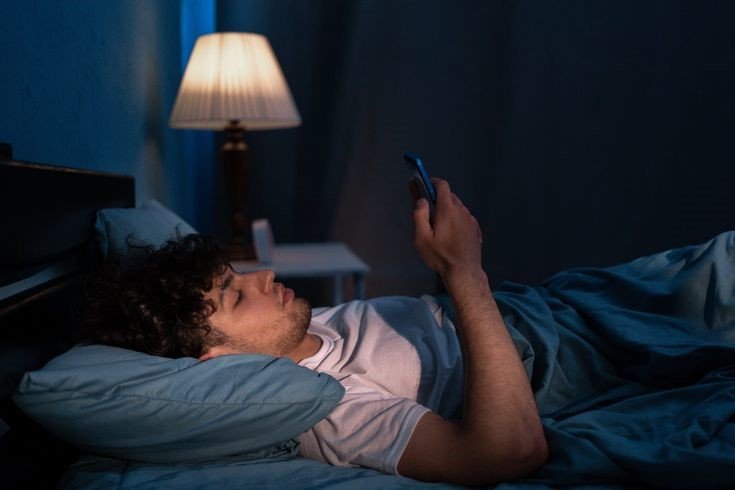
Next, you need a “landing zone” before bed , 30–60 minutes where stimulation is low and predictability is high. Think dim lights, soft music, maybe a warm shower or a weighted blanket. Dopamine-friendly routines like gentle stretching, light journaling, or reading calm material are key. Avoid scrolling through your phone; it’s a dopamine trap that pushes your ADHD sleep hours further back.
Timing your stimulants and caffeine is critical. Most adults with ADHD don’t need less sleep , they just mess up their sleep-wake cycle with late coffee or evening medications. Adjusting these often solves sleep problems without changing your prescriptions.
Troubleshooting ADHD Sleep
Even with a perfect routine, ADHD sleep can get messy. That’s normal. Here’s how I guide clients through common pitfalls:
- Exhausted but brain won’t shut down: Likely a dopamine crash or unresolved thoughts. Fix: dim lights, brain dump, warm shower, audiobook.
- Fall asleep but wake at 2–4 AM: Cortisol spike or stimulant rebound. Fix: small protein snack, consistent wake time, white noise, weighted blanket.
- Second wind at night: Delayed circadian rhythm. Fix: reduce light 60 minutes before bed, slow-paced pre-sleep activities.
- Sleep inertia in the morning: ADHD brains are biologically sluggish. Fix: bright light immediately, water, movement, no snooze.
- Tired after 8–9 hours: Possible sleep apnea or restless legs. Fix: improve environment, increase morning light, seek evaluation.
The point? Every ADHD sleep problem has a targeted fix, not a one-size-fits-all solution.
Night Routines That Actually Work
ADHD night routines need to be realistic, flexible, and dopamine-sensitive. Here are some examples:
- Children: bath + book, puzzle + pajamas, weighted blanket + calm breathing
- Teens: phone outside, journaling, stretch + reading, warm shower + soft playlist
- Adults: device-free hour, light stretching + herbal tea, reflection + brain dump, weighted blanket + podcast
- Busy professionals: quick wind-down, shutdown email, light/dark transitions, short meditation
Tip: pick one routine, tweak it to your energy pattern, and repeat. Even 10 minutes counts , consistency > perfection. Tracking with a simple emoji or checklist keeps it ADHD-friendly.
Real-Life Stories to Inspire
These stories from clients are good examples of what is possible:
- Aiden was aged 12 when he typically fell asleep after 90 minutes and woke up a few times during that 90 minutes. By providing structured “landing zones” in his bedroom and adjusting the timing for starting stimulants, he has been able to fall asleep within 25-30 minutes of getting in bed.
- Maya Maya was an age 17 that had trouble sleeping beyond 3 a.m. due to excessive nighttime hyperfocus. With the introduction of early morning light exposure, placing her phone away from her bed, and establishing a consistent bedtime routine, her average bedtime is now 12:45 a.m. As a result, she has stabilized her mood and raised her grades in school.
- Daniel was 29 years old and believed that he had become a full-time “night owl”. By adjusting the timing for his stimulants, limiting the use of electronic devices late at night, and establishing a “dopamine-buffered wind down” strategy, he now can consistently sleep for 7.5 hours every night.
These stories show a pattern: ADHD brains can learn to respect sleep without forcing discipline, just smart design.
Takeaway
ADHD sleep needs aren’t less , they’re different. With proper wake-time stabilization, pre-sleep landing zones, dopamine-friendly routines, troubleshooting strategies, and realistic night routines, sleep becomes achievable. Your body and brain crave those 7–9 hours, but ADHD brains need guidance to actually use them.
If you’re struggling with ADHD bedtime, insomnia, or sleep fragmentation, start small tonight: pick one routine, stabilize your wake time, and track your progress. It’s not about perfection , it’s about making ADHD sleep work for you.
If you’ve read this far, you already know ADHD sleep isn’t about laziness , it’s about strategy. But knowledge alone won’t fix it. You need support, guidance, and tools that actually work.
The Importance of Taking Action
Chronic sleep deprivation is a reality for many people with ADHD who have grown accustomed to being chronically sleep deprived. Over time chronic sleep deprivation can lead to:
- Focus and memory problems
- Emotional regulation problems
- Executive function (planning, organizing, and initiating tasks) problems
- Overall improvement for health and mood
Sleep is foundational, not a luxury. Missing sleep has a much larger impact on the lives of people with ADHD, than most people realize.
How Heal-Thrive Can Assist You
At Heal Thrive, we specialize in providing sleep coaching services, using science-backed methods to help people with ADHD.
- Customized, individualized sleep routines created for you based on your ADHD energy patterns and sleep cycles.
- Step-by-step Coaching for bedtime resistance, insomnia and delayed sleep phase disorder.
- Troubleshooting tools for hyper-focusing during the night, sleep-wakes during the nights and restless nights.
- Tools to assist all ages, adult ,teen and toddler.
- Recommendations for appropriate timing of stimulant medications, caffeine, and other sleep disturbances.
Our goal at Heal Thrive is to provide practical, actionable steps, not to provide criticism or set rigid schedules.
Next Steps for Moving Forward
- Schedule A FREE Initial Consultation with an ADHD sleep coach to discuss your individual sleep patterns and receive your personal sleep plan.
- Download our ADHD Sleep Guide for step by step bedtime routines, troubleshooting tools and trackers to track your sleep.
- Tonight’s the Night! Select one of your 20 sleep template routines, begin tracking it, and feel free to adjust it as needed.
To Transform Your ADHD Sleep: Remember that consistency and not perfection is the key.