
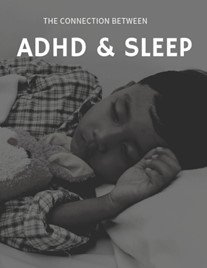
Why are people with ADHD more productive at night
I still remember the night my client , let’s call her Maya , told me, half-laughing, half-exhausted, “I do my best work at 2 a.m.” (Wait, no… actually, she said that with a smear of coffee on her laptop and a deadline breathing down her neck.) That moment , that odd mixture of calm focus while the rest of the world snores , is exactly what we’re unpacking here: ADHD productivity at night.
If you’ve ever wondered why people with ADHD are more productive at night, you’re not imagining things. There’s a pattern: the lights dim, the notifications quiet, and for many ADHD brains something clicks , attention sharpens, creativity blooms, and tasks that felt impossible at 10 a.m. suddenly feel doable at 11 p.m. (Yes, it’s annoying for calendars and morning meetings. I know.)
As an ADHD coach who works with people across California , freelancers in the Bay Area, grad students in LA, parents juggling hybrid schedules , I’ve seen this night-owl productivity show up again and again. It’s not just “laziness” or poor willpower. There are biological, psychological, and social reasons behind it: delayed circadian rhythms, shifts in melatonin timing, lower daytime stimulation, fewer distractions, and sometimes a form of hyperfocus that prefers the quiet hours
Later on, we’ll dig into the science, real anonymized client stories (including Maya’s), and practical strategies to harness night productivity without wrecking your sleep, relationships, or health.
For now, breathe. If nights feel like your only reliable work window, that’s a clue , not a moral failing.
Why People With ADHD Are More Productive at Night — Understanding the Why
Okay, let’s dig in , because this part always surprises people who grew up hearing things like “Just wake up early , successful people do!” (If only it worked like that for neurodivergent brains, right?)
From what I’ve seen coaching ADHD clients and reviewing research , including work like Coogan et al. on circadian rhythm delays in ADHD and actigraphy studies like Boonstra et al. (which literally tracked movement and alertness day vs. night) , many ADHD brains are wired differently when it comes to time, alertness, and energy flow.
Here’s what that looks like in real life, not just on a graph:
- Delayed Circadian Rhythm (AKA “My brain turns on when the world turns off”)
Many people with ADHD experience Delayed Sleep Phase Syndrome.
Translation?
Your internal clock says “Let’s perform!” just when society says “Let’s sleep.”
Melatonin , the sleep hormone , rises later in ADHD brains. That means alertness peaks later too.
So while non-ADHD folks start winding down, your brain is like:
“Now? Now we do ALL the things.”
- Night Has Fewer Distractions — and ADHD Brains Love That
During the day?
Emails. Tasks. Notifications. People. Life. Everything everywhere all at once.
At night?
Silence. Stillness. No interruptions.
And suddenly, ADHD hyperfocus at night becomes possible.
Your brain finally gets the mental space to breathe , like someone turned down the world’s volume knob.
- Pressure + Deadline Mode = Fuel for the ADHD Brain
This one’s relatable, right?
When time is running out, ADHD brains often kick into another gear , it’s part dopamine, part urgency, part magic.
Night = natural deadline window.
No social time left. No errands. No meetings.
Just you and the task.
And boom , focus appears.
- Sensory Calm = Mental Calm
Daytime can feel… loud , even if you’re just sitting at a laptop.
Lights, sounds, movement, expectations.
At night, everything softens.
Sensory calm increases internal calm.
For many clients, this is the moment their nervous system finally stops fighting and starts flowing.
- Creativity Peaks When Others Sleep
Not always , but often.
There’s this quiet, almost sacred creative energy at 11 p.m. and beyond.
Writing flows.
Brainstorms spark.
Ideas feel alive again.
It’s like the brain whispers:
“Let’s build something now. No one will interrupt.”
Quick Reality Check (because I’m not here to romanticize exhaustion)
Does this night productivity feel powerful? Yes.
Is it sustainable long-term for most lifestyles? Not always.
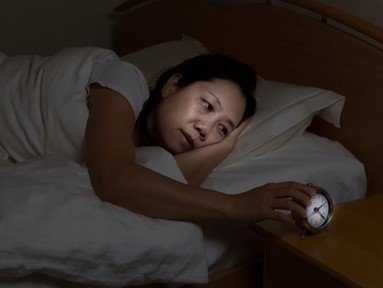
Morning school schedules, office hours, kids , life wasn’t designed for ADHD circadian rhythms.
But instead of forcing yourself into a system that wasn’t built for you, we’re going to talk strategies soon , ones grounded in research and compassionate structure.
(Because telling an ADHD brain to “just sleep early” is like telling a cat to “just drive the car.” It’s not a motivation problem , it’s biology.)
Story Snapshot — Client Example: “Alex”
Alex, a software engineer in San Jose, always worked best between 10 p.m. and 2 a.m. He tried productivity hacks, sleep hygiene, 5 a.m. routines , all the influencer stuff.
Guess what actually worked?
- Accepting his natural rhythm
- A structured “late work permission” window 3 nights a week
- Consistent wind-down habits afterward
- A gradual circadian shift using light therapy and timed melatonin
He didn’t “fix himself.”
He optimized himself.
If this already feels like someone finally gets your brain, you’re in the right place.
The Hidden Struggles Behind Nighttime Productivity
Let’s be real: being productive at night can feel like a superpower and a trap all at once.
But what happens the next morning?
That’s the part we don’t glamorize enough.
Here are the major challenges I see in my ADHD clients , backed by research and real life:
- Sleep Deprivation Sneaks Up on You
Night focus feels incredible , but the next morning?
Foggy thinking. Heavy eyelids. Coffee becomes life support.
Long-term sleep debt isn’t just “being tired” , it impacts memory, mood, immunity, and emotional regulation.
And when the ADHD brain is tired, executive function suffers. Tasks pile up. The cycle repeats.
- Delayed Sleep Phase = Fighting Your Own Body Clock
People with ADHD often fall asleep later not by choice, but because their biological clock is shifted.
Coogan et al. call this ADHD eveningness preference , and it’s not laziness; it’s neurology.
Trying to force early sleep can feel like trying to sleep at 6 p.m. , your brain simply won’t shut off.
- Daytime Fatigue = “Why does morning feel impossible?”
No matter how hard you try, waking early feels like swimming through mud.
Alarms don’t help.
Multiple alarms? Meh.
Sunlight? Still not enough sometimes.
Your body clock is playing a different game.
- Conflict With School & Work Schedules
Society rewards morning brains.
Schools start early. Offices expect 9 a.m. productivity.
Meanwhile, your peak performance hits around 9 p.m.
Not quite “corporate approved.”
If unsupported, this mismatch can affect grades, job performance, and confidence.
- Relationship & Family Stress
People sleep. You work.
They wake up tired from life. You wake up tired from focus.
Schedules clash.
Even intimacy and shared routines get harder.
One client once said:
“I feel like I live in a different time zone inside the same house.”
It hit me hard , because it’s true for so many ADHD adults.
- Health Risks Over Time
Chronic sleep disruption is linked to:
- hormone imbalance
- irritability & anxiety
- depression risk
- weakened immune function
- decreased cognitive performance
Yes, night productivity works , but without balance, it costs something.
- Revenge Bedtime Procrastination
Sometimes it’s not work , it’s “I finally have control over my time.”
Scrolling. Gaming. YouTube holes.
A little dopamine reward after a day of pushing yourself.
It feels like reclaiming life.
But it steals rest you actually need.
- Medication Timing Complications
For those on ADHD medication, evenings get tricky:
Stimulants may wear off too early…
or last too long and delay sleep more.
Many clients struggle to balance creativity windows vs medication schedule.
- Emotional Toll — Feeling “Out of Sync”
It’s frustrating when your brain runs on a schedule the world doesn’t honor.
It may feel isolating or like you’re “failing,” when really, your brain just works differently.
You’re not broken.
You’re wired differently , and you need systems that match your wiring, not fight it.
Before We Move On…
This isn’t about shaming night owls.
My approach is not “fix your sleep or you’re doing it wrong.”
Instead, it’s:
- Understand your rhythm
- Work with your brain, not against it
- Build gentle correction where necessary so life doesn’t become chaos
Connecting Night Productivity Strategies
Some adults with ADHD feel as though they truly ‘come alive’ in the evening. Yet, this ‘night owl’ shift in energy is both a potential strength and a stressor. The previous three sections function conjunctively to aid individuals with ADHD in optimizing productivity during the night while safeguarding their sleep and health balance.
1. Practical Strategies for Night-Productive ADHD Brains
This section is centered on concrete measures that are simple and truly actionable for tonight:
- Setting a fixed ‘stop time’ to night work
- Scheduling tasks according to peaks of brain energy (creative vs. administrative work)
- Creating sleep buffers and gently guiding the brain down to rest
- Conscious avoidance of dopamine traps, like scrolling or gaming
- Strategically timed caffeine and meals to facilitate sleep
The main takeaway: Night productivity is entirely consistent with healthy mornings. Flex the brain, don’t force it.
2. Advanced ADHD Sleep & Night Routine Hacks
We move to more advanced strategies that are rooted in neuroscience and are respectful to one’s sensory preferences:
- Exploiting light and darkness for advanced delayed melatonin release.
- Using cooling methods for ADHD brains that are too hot to sleep.
- Using controlled and custom soundscapes for restless brains.
- Calming routines that include magnesium and protein to settle the psyche.
- Structuring dopamine flow for productive energy instead of endless stimulus.
Moving the hyperfocus of the night from chaotic to predictable order is the aim of this portion. Clients do report less anxious feelings, deeper restful sleep, and sustained energy the following day.
3. Real ADHD Night Productivity Systems
All the previous strategies come together in this section as one coherent system:
- A dedicated night work window divided in phases for structured tasks (warm-up, deep focus, admin wrap-up, and a wind-down
- Consequence of late nights is gently morning routines
- Adherence is reinforced by dopamine anchors and accountability structures
- Healing “revenge bedtime procrastination” by intentional free time and emotional decompression
Real clients (like Alex in Silicon Valley or Maya in Sacramento) are used as examples to show that night productivity for ADHD brains is a superpower, not a stressor of survival, when it is supported and understood.
Overall Philosophy
Throughout these three sections, the philosophy is evident:
ADHD brains aren’t broken; they’re wired differently. Being productive at night is not a flaw; it is a strength to structure, not suppress. Using a combination of:
- Neuroscience-backed sleep hacks
- Practical planning and task alignment
- Gentle routines & dopamine management
- Emotional and environmental scaffolding
…you can unlock sustainable night focus without harming health, relationships, or daily
Take Control of Your ADHD Night Productivity
Your brain isn’t broken; it’s wired for unique energy patterns and creativity especially at night. It is not about fighting your natural rhythm but more about understanding how to align productivity with biology.
At Heal-Thrive, we specialize in helping adults with ADHD harness the power of their night focus without sacrificing sleep, health, or life balance. Here’s how you can get started today:
- SCHEDULE A PERSONAL COACHING SESSION
Work 1:1 with an ADHD coach who understands your natural rhythm. We will develop your own Night Productivity Plan so you can work smarter, not harder.
- Download the Free Night Productivity Toolkit
Get practical checklists, sleep hacks, dopamine flow tips, and real client strategies to unlock your peak night-time focus.
- Join Our ADHD Community
Share experiences, tips, and strategies with other ADHD night owls. Learn what works, what fails, and how to maintain balance.
Don’t wait for tomorrow , your peak productivity window is tonight.
Take control, work with your brain, and thrive.