
Quick Answer
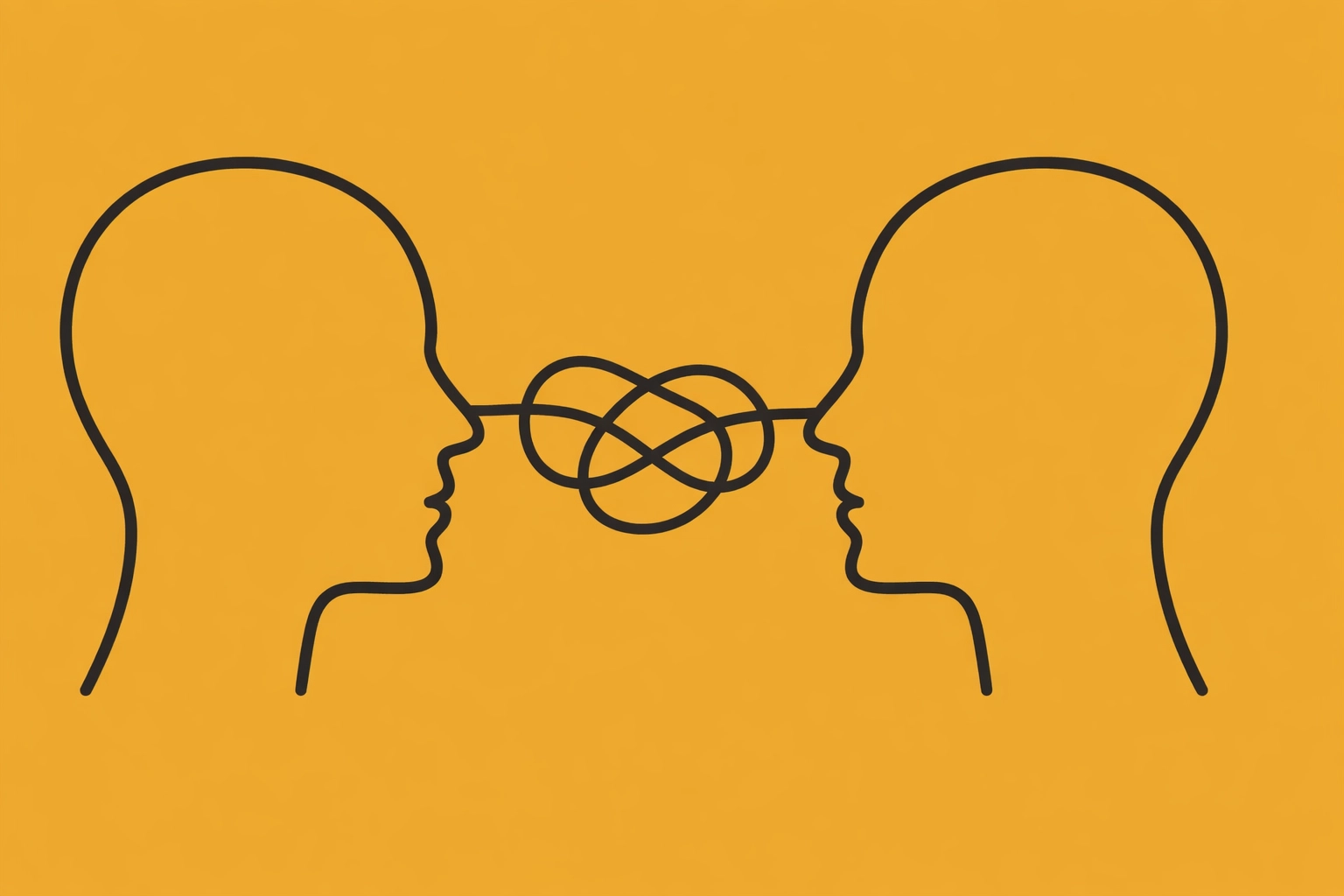
The “dishwasher fight” is usually not about dishes. In ADHD relationships, it is often about stress, missed expectations, shame, and the invisible mental load at home. I see this a lot in my work as an ADHD coach at Heal and Thrive Therapy and Coaching. What helps most is shifting from blame to systems, using a brain-fair division of labor, and talking like partners instead of falling into a parent-child pattern.
Key Takeaways
- ADHD relationship conflict is often about meaning, not the task itself.
- Forgetting does not mean not caring.
- Shame makes follow-through worse, not better.
- Brain-fair systems work better than lectures and repeated reminders.
- Couples in Orange County, Lake Forest, and everywhere in between often need practical tools, not more blame.
- Helpful resources: CHADD and ADDitude.
Let’s get straight to it: the dishwasher fight is almost never about the dishwasher.
It’s about what the dishes mean. It’s about one person thinking, "Why am I carrying this whole house?" and the other person thinking, "Why am I getting treated like a screwup again?" That’s the real fight.
When ADHD is in the relationship, this pattern gets loud fast. A missed task, a forgotten errand, a half-finished chore, and suddenly the whole room is full of resentment, shame, and old stories. One partner feels alone. The other feels judged. Nobody feels like a team.
I’ve coached a lot of adults with ADHD through this exact mess, and here’s what I can tell you: if you keep making it about effort, character, or who cares more, you’ll stay stuck. If you shift to systems over shame and a brain-fair division of labor, things can actually change.
The Invisible Weight Nobody Talks About
Let me paint you a picture. A lot of my clients in Orange County say the same thing in different words, whether they live in Lake Forest, Irvine, or spend half their week crawling down the 405. They are not just tired. They are done.
Sarah came to coaching because she was exhausted. Not tired-from-work exhausted. Soul-tired. The kind where you wake up already defeated.
She had ADHD. Her partner didn't. On paper, they were great together. In reality, she was carrying an invisible backpack of expectations she didn't even know was there until it crushed her.
Every forgotten appointment became "proof" she didn't care. Every missed text response turned into a two-hour discussion about priorities. Every time she zoned out during a story her partner was telling, it became about respect and love languages and whether she even wanted to be in the relationship.
Here's the kicker: Sarah did care. Desperately. She was trying harder than anyone could see. But ADHD brains don't work on a try-harder model. They work on a different operating system entirely.
And her partner? They were exhausted too. Carrying the mental load of remembering everything, managing everything, fixing everything. Feeling more like a parent than a partner. Wondering why love wasn't enough to make Sarah "just remember" or "just focus."
This is how ADHD relationship stress builds. Not in dramatic explosions, but in quiet accumulation. Like interest compounding on a debt neither person signed up for.
I’ve watched this happen with couples all over Orange County. They are loving people. Good people. But by the time they sit down with me, one missed text, one forgotten errand, or one half-loaded dishwasher can carry the weight of a hundred older hurts.

The Forgotten Date That Becomes Everything
You know what's wild? A forgotten anniversary isn't actually about the anniversary.
When someone with ADHD forgets a date, a birthday, an appointment, a promise to pick up milk, the non-ADHD partner often hears something entirely different. They hear: "You're not important enough to remember." "You don't matter as much as whatever distracted you." "I can't count on you."
But here's what's actually happening in the ADHD brain: time blindness, working memory challenges, and a dopamine system that doesn't flag "important future events" the same way neurotypical brains do. It's not about caring less. It's about a brain that literally processes time and memory differently. If you want a clear overview of how ADHD affects daily life, CHADD explains it well.
The problem is that neurotypical society tells us that remembering = caring. So when someone forgets, it must mean they don't care, right?
Wrong. But try explaining that when you're the one who just spent three hours making a special dinner that your partner forgot about because they hyperfocused on organizing the garage instead.
This is where relationship overwhelm starts. In that gap between what ADHD actually is and what everyone assumes it means.
I had a client once tell me: "My partner thinks I'm choosing not to remember. Like I wake up every morning and decide, 'Today I will disappoint someone I love.'" The pain in his voice was real. The guilt was crushing him. And his partner's resentment was just as real, just as valid.
Both people were suffering. Neither was wrong. But the pressure was building because neither understood what was actually happening.
When Your Partner Becomes Your Parent (And Nobody Wins)
This is where a lot of couples get stuck: the parent-child dynamic.
It usually starts with stress, not bad intent. The ADHD partner forgets a bill, misses a pickup, leaves the laundry sitting, or says “I’ll do it later” and honestly means it. The other partner gets tired of the fallout and starts stepping in. They remind. They track. They double-check. They rescue.
At first, it looks helpful.
But over time, one person becomes the household manager and the other becomes the person being managed. That kills trust on both sides. The non-ADHD partner starts feeling like the only adult in the room. The ADHD partner starts feeling watched, corrected, and talked down to.

That’s the trap.
The non-ADHD partner says, “If I don’t stay on top of this, everything falls apart.”
The ADHD partner says, “If you keep treating me like this, I shut down.”
Both people make sense. But this pattern wrecks intimacy. It’s hard to feel close when one person feels like the parent and the other feels like the kid.
And here’s the bigger problem: shame does not create follow-through. Shame creates hiding, defensiveness, avoidance, and hopelessness. So if your relationship has turned into one person policing and the other person dodging, you do not need more blame. You need a reset.
Breaking the parent-child dynamic starts here:
- Stop using reminders as a substitute for a real system.
- Stop confusing rescue with support.
- Stop having the same chore fight with different words.
- Stop assigning “adult status” based on who remembers the dishwasher.
What helps is building adult-to-adult agreements. Clear ownership. Clear expectations. Clear backup plans. Not lectures. Not mind-reading. Not one partner carrying the whole invisible load and then exploding three weeks later.
That’s where brain-fair division of labor matters. Fair does not mean both people do everything the same way. Fair means the work gets divided in a way that matches real strengths, real limits, and real life.
The Hyperfocus Hangover Nobody Warned You About
Can we talk about the beginning of relationships for a second?
When someone with ADHD falls for someone, it's often intense. Like, fireworks-and-symphonies intense. They hyperfocus on their new person. They remember every detail. They text back immediately. They're attentive, engaged, present.
This isn't fake. It's real. It's just… unsustainable.
Because hyperfocus, that beautiful ADHD superpower, eventually fades. The brain's dopamine levels normalize. The novelty wears off. And suddenly, the same person who used to text you seventeen times a day forgets to respond for six hours.
To the ADHD person, this feels normal. They still love their partner. They're just not in hyperfocus mode anymore.
To the non-ADHD partner? This feels like a devastating withdrawal of affection. Like they've been tricked. Like they fell in love with someone who's now a different person. I’ve had couples tell me this after long drives through Lake Forest traffic or tense evenings after commuting on the 405, when nobody has much bandwidth left and everything feels bigger than it is.
I see this heartbreak in coaching all the time. Partners asking, "What did I do wrong? Why don't you care anymore?" And the ADHD person genuinely confused because nothing changed in how they feel, only in how their brain is operating.
This is how ADHD emotional labor shows up for both people. The ADHD partner is trying to explain something they don't fully understand themselves. The non-ADHD partner is grieving a version of the relationship that felt more alive.
And the expectations gap? It turns into a canyon.
The Invisible Tasks That Drown You
Here's something the research doesn't capture well enough: there's a specific kind of ADHD relationship stress that comes from invisible, never-ending, low-reward tasks.
You know what I mean. Managing the household calendar. Remembering to schedule appointments. Tracking when things need to be reordered. Keeping mental tabs on social obligations. Following up on conversations.
These tasks are neurotypical kryptonite for ADHD brains. They have no clear endpoint, no immediate reward, no external structure, and no novelty. They're the opposite of engaging.
But they're also the glue that holds daily life together. And in most relationships, these tasks fall disproportionately on one person.
For women with ADHD especially, this creates crushing pressure. Society already expects women to be the relationship managers, the household organizers, the emotional caretakers. Add ADHD to that equation, and you get someone who's constantly failing at things they "should" be naturally good at.

I worked with a woman named Priya who was killing it in her career, running a marketing team, managing million-dollar campaigns, getting promoted. But at home? She was drowning. The meal planning, the social coordination, the remembering everyone's schedules, it was constant failure.
Her partner couldn't understand how someone so competent at work could be so "disorganized" at home. Priya couldn't understand it either. The shame was eating her alive.
What neither of them realized: those work tasks had structure, urgency, external deadlines, and clear metrics. Home tasks had none of that. For an ADHD brain, it's the difference between swimming and drowning in the same water.
The pressure builds because expectations around domestic labor are invisible, gendered, and deeply tied to worthiness. Nobody teaches couples how to distribute this work in a way that works with ADHD, not against it.
When "You Should Be Able To" Becomes a Weapon
Let’s name one phrase that makes all of this worse fast: “You should be able to.”
“You should be able to remember.”
“You should be able to finish this.”
“You should be able to pay attention.”
“You should be able to do basic adult stuff.”
That phrase sounds practical, but it usually lands like this: You are failing. You are the problem. You are not acting like an adult.
And once shame gets activated, the whole conversation goes downhill.
ADHD is not a caring problem. It is not a character flaw. It is not solved by more criticism. It’s an executive function issue. That means some tasks that look “easy” from the outside are actually hard to start, hard to track, hard to finish, or hard to repeat consistently.
So if your relationship keeps getting stuck here, try replacing “you should” with better questions:
- What part of this task breaks down?
- What system would make this easier to complete?
- Who should own this task based on how our brains actually work?
- What support helps without turning into parenting?
That shift matters. It moves you from blame to problem-solving. And if you want more real-world ADHD relationship strategies, ADDitude has strong expert-backed resources here.
The Conversations You're Not Having (But Need To)
If you want less resentment, you need different conversations.
Not bigger blowups. Not better arguments. Different conversations.
Here are the ones that help:
1. Systems over shame
Instead of “Why did you forget again?” ask, “What system would make this easier to remember next time?”
Shared calendar. Alarms. Written checklist. Visual cue. Auto-pay. Whiteboard. Recurring Sunday planning. Whatever works. The goal is not to prove who cares. The goal is to make the task happen.
2. Brain-fair division of labor
Do not divide labor based on fantasy. Divide it based on actual wiring.
If one person is good at routine admin but hates repairs, and the other person is great at problem-solving but terrible at recurring paperwork, stop forcing a fake 50/50 split that sets both of you up to fail.
Brain-fair can look like this:
- One person owns bills, forms, and scheduling.
- The other owns meals, school pickup, repairs, or research-heavy tasks.
- Shared tasks get clear rules, deadlines, and visible tracking.
That is not laziness. That is strategy.
3. Ownership, not constant reminders
A task is not truly owned if one person still has to remind, monitor, and rescue.
If you own the dishwasher, you own the full loop: noticing, doing, and finishing.
If you own appointments, you own booking, tracking, and follow-up.
That’s how you get out of the parent-child pattern.
4. Boundaries without contempt
The non-ADHD partner is allowed to say, “I can’t be the default backup for everything.”
The ADHD partner is allowed to say, “I need systems and clarity, not criticism.”
Both are fair.

I’ve seen couples change the whole feel of their relationship with this shift. Not because ADHD disappeared. It didn’t. But the house stopped running on disappointment and panic.
They stopped asking, “Who’s the bad guy here?”
They started asking, “What setup gives us the best shot at success?”
That’s a much better question.
The Reset You Both Deserve
If you're reading this and seeing your relationship in these words, please hear me: you're not doomed.
The pressure building in ADHD relationships isn't inevitable. It's the result of mismatched expectations, invisible labor, and a fundamental misunderstanding of how ADHD actually works.
You can rebuild. But it requires both people doing their work.
If you have ADHD: Your challenges are real. They're also your responsibility to manage. That doesn't mean magically fixing your brain. It means being honest about what you need, building systems that work, and taking ownership of the impact your symptoms have on your partner, without drowning in shame.
If you're the non-ADHD partner: Your exhaustion is valid. You're probably doing way more than you should have to. And understanding ADHD as a neurological difference rather than a character flaw will change everything. You can have boundaries without resentment. You can ask for what you need without it meaning your partner doesn't care.
If you're both somewhere in the middle: Healing starts with curiosity instead of judgment. With systems instead of blame. With accepting that your relationship will look different than the neurotypical ideal, and that's actually okay.
What Support Actually Looks Like
At Heal and Thrive Therapy and Coaching, we help couples, adults, and families work through exactly this kind of stress.
That can mean ADHD coaching to build better systems, stronger follow-through, and less chaos at home. It can mean therapy to work through resentment, shame, communication breakdowns, trauma triggers, or the parent-child dynamic that has taken over the relationship. And for some people, it means getting support as a couple so both partners can stop fighting the same fight on repeat.
Because here’s the truth: this does not get better through more nagging, more guilt, or more white-knuckling. It gets better when you build systems that fit your brain, divide labor in a brain-fair way, and learn how to talk to each other like partners again.
I do this work with people across Orange County, including Lake Forest, and I can tell you this: most couples are not broken. They are overwhelmed. They are stuck in bad systems. They are trying to love each other through a pile of misunderstandings.
If that’s where you are, Heal and Thrive Therapy and Coaching can help.
Let's talk. You do not need to keep living inside the same dishwasher fight.
Meta Title
The “Dishwasher Fight” Isn’t About Dishes: ADHD and Relationship Expectations in Orange County
Meta Description
A first-person guide to ADHD and relationship expectations from Heal and Thrive Therapy and Coaching. Learn why the dishwasher fight is really about shame, mental load, and systems, with support for couples in Orange County and Lake Forest.